






What's Happening?
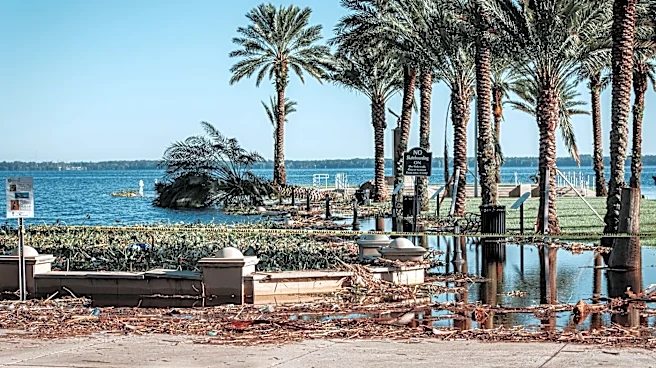
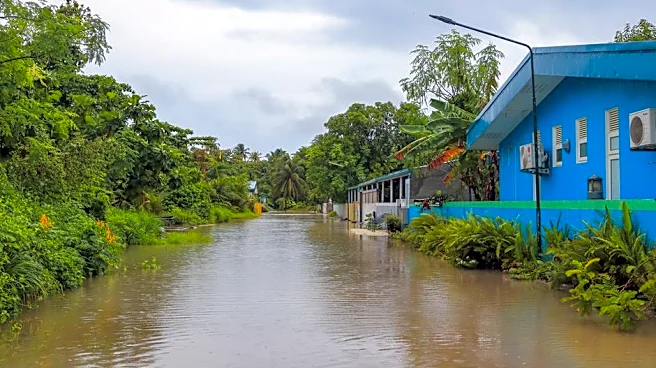
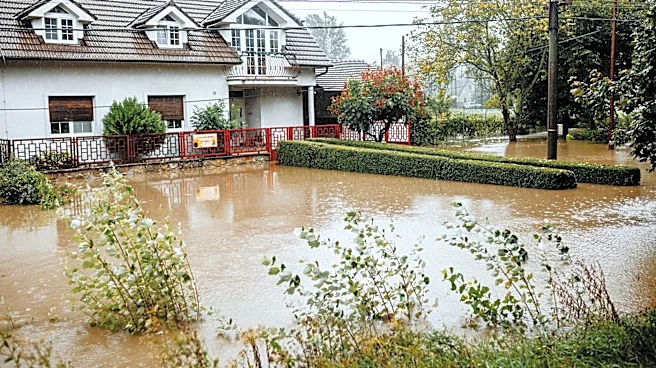
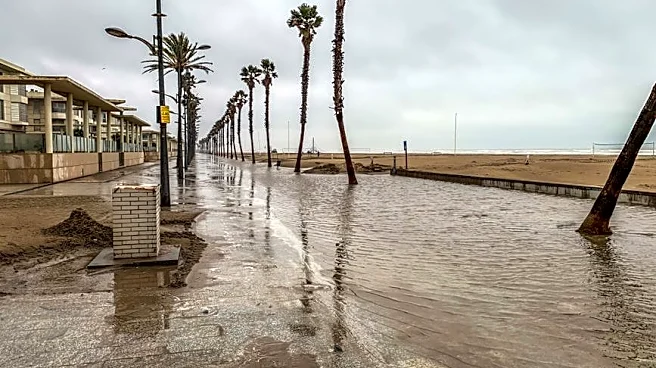
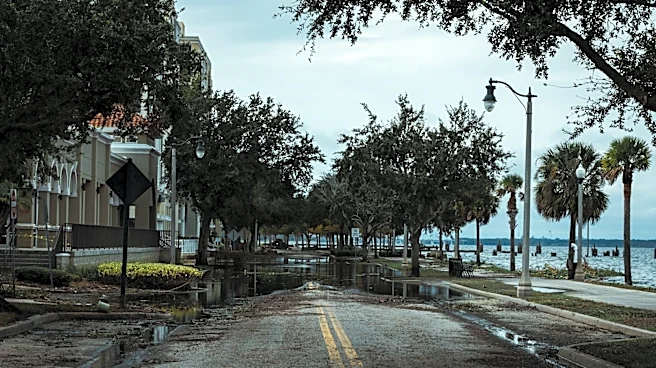
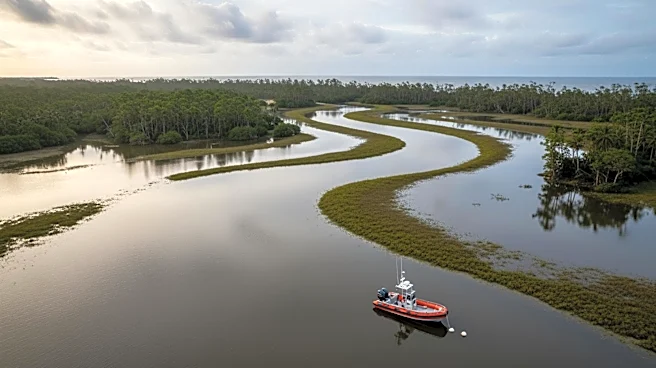
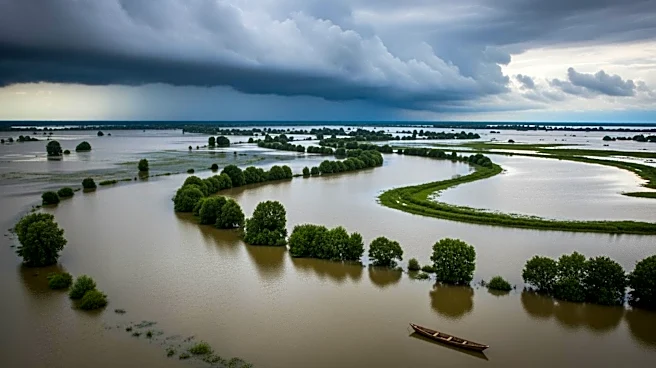
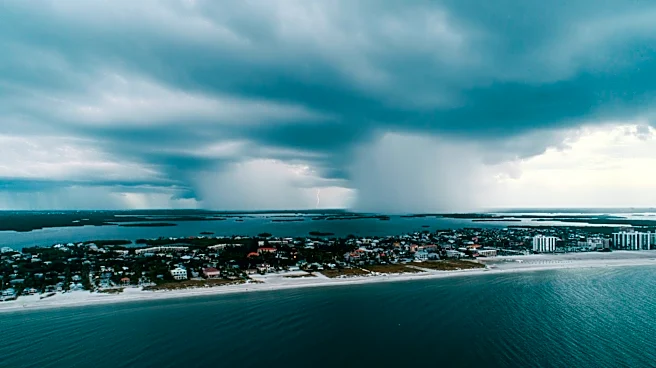
Tropical Storm Arthur has caused significant flooding across parts of the Gulf Coast, impacting areas in Mississippi, Louisiana, and Texas. The storm, which moved in from the west, led to dozens of evacuations as neighborhoods were submerged under water.
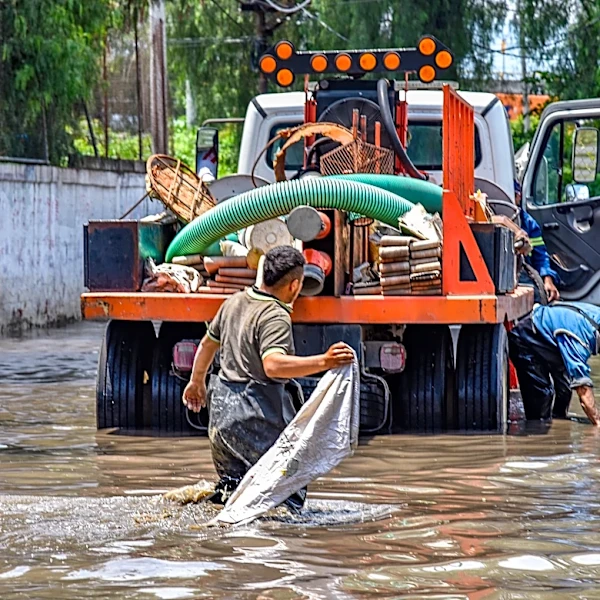
Emergency services utilized airboats to rescue stranded residents and livestock, while many vehicles were left immobile due to the rising waters. The storm's heavy rainfall has resulted in severe disruptions, with local authorities working to manage the crisis and ensure the safety of affected communities.
Why It's Important?
The flooding caused by Tropical Storm Arthur highlights the vulnerability of Gulf Coast states to severe weather events, which can have devastating impacts on local communities and infrastructure. The need for effective emergency response and preparedness is underscored by the swift actions taken to evacuate residents and rescue livestock. This event also raises concerns about the potential for increased frequency and intensity of such storms due to climate change, which could lead to more frequent disruptions and economic losses in the region. The storm's impact on transportation and local economies further emphasizes the importance of investing in resilient infrastructure and disaster management strategies.
What's Next?
In the aftermath of Tropical Storm Arthur, recovery efforts will be crucial in restoring affected areas and supporting displaced residents. Local and state authorities are likely to assess the damage and prioritize rebuilding efforts, while also reviewing emergency response protocols to improve future preparedness. The storm may prompt discussions on enhancing infrastructure resilience and implementing more robust flood management systems. Additionally, there may be increased advocacy for climate change mitigation measures to address the underlying factors contributing to the severity of such weather events.