




What's Happening?
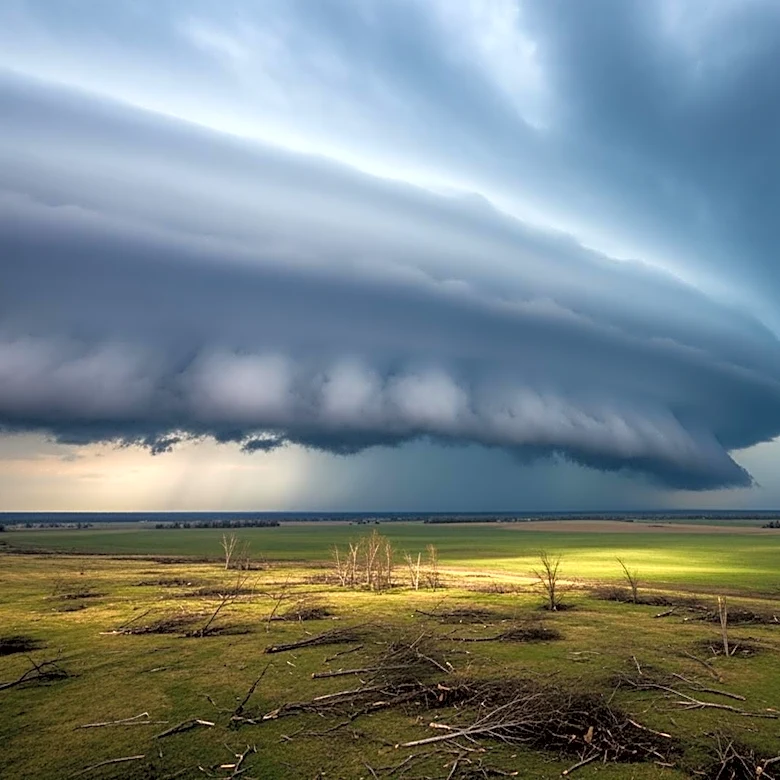
The New York City area is experiencing a significant drop in temperatures following a week of unseasonably warm weather. A strong cold front is moving through the region, causing temperatures to fall from the mid-50s in the morning to the 40s by the afternoon.
This shift is accompanied by increased winds, resulting in windchills in the 30s. The cold front is expected to bring sub-freezing temperatures to the suburbs next week. Additionally, a Freeze Watch has been issued for most of New Jersey from Monday night into Tuesday morning. Coastal Flood Advisories are in effect for shoreline counties, with potential flooding reaching up to one foot of inundation. Rain showers, light to moderate in intensity, are expected to continue through the early afternoon, with isolated thunderstorms possible.
Why It's Important?
The sudden drop in temperatures and the issuance of a Freeze Watch highlight the volatility of spring weather in the region. This change can impact local agriculture, particularly in areas where early planting has occurred. The cold temperatures and potential frost could damage crops, affecting local farmers and the agricultural supply chain. Additionally, the coastal flood advisories indicate a risk of flooding in low-lying areas, which could disrupt transportation and daily activities for residents. The weather shift also serves as a reminder of the importance of preparedness for sudden weather changes, which can have broader implications for public safety and infrastructure resilience.
What's Next?
Residents in the affected areas should prepare for colder temperatures and potential frost by protecting sensitive plants and ensuring that outdoor activities are adjusted accordingly. Local authorities may issue further advisories or warnings as the situation develops. The weather pattern is expected to stabilize after the cold front passes, but residents should stay informed through local news and weather updates. Emergency services and local governments will likely monitor the situation closely to respond to any flooding or weather-related incidents.