





What's Happening?
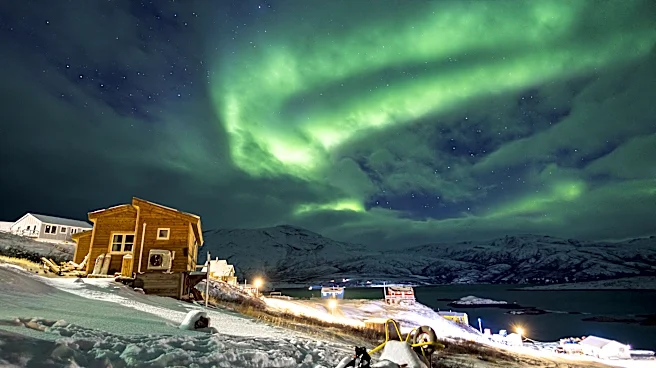
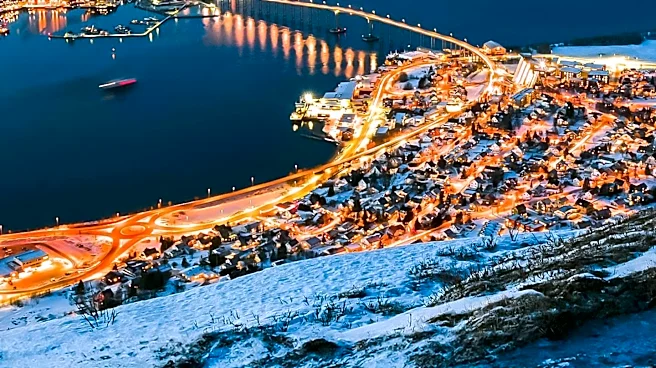
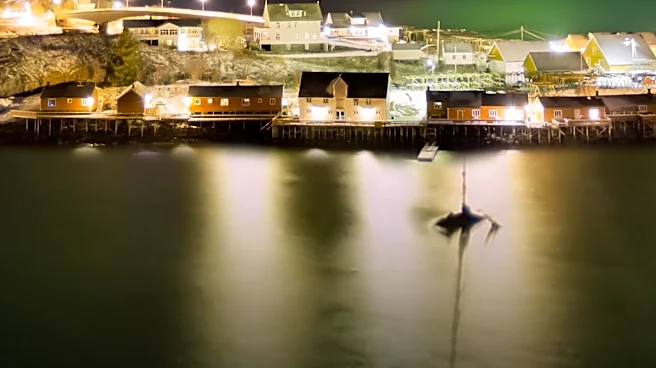
Tromsø, Norway, is recognized as a premier location for observing the Northern Lights, with its season extending from September to early April. Situated within the auroral oval, the city provides consistent visibility of the aurora borealis during these
months. The period from late September through late March is considered optimal, with the darkest months, November through January, offering the longest observation windows. During this peak season, Tromsø experiences significant darkness, with December and January providing 18-20 hours of night, maximizing aurora viewing opportunities. The region's continental climate contributes to clearer, colder nights, which are ideal for aurora visibility, though visitors should be prepared for temperatures ranging from -5 to -15°C, potentially dropping to -25°C. While the Northern Lights cannot be guaranteed, Tromsø averages 20-25 clear nights per month in winter, enhancing the chances of a sighting. Various tour operators in Tromsø offer specialized Northern Lights chases, often utilizing coaches to find the best viewing areas based on real-time weather and aurora forecasts, sometimes including access to private camps with warm shelters and amenities.
Why It's Important?
Tromsø's status as a 'Gateway to the Arctic' and a prime Northern Lights destination significantly impacts its local economy and tourism sector. The consistent visibility of the aurora borealis attracts a substantial number of international tourists, including those from the U.S., seeking unique Arctic experiences. This influx of visitors supports local businesses, including hotels, tour operators, restaurants, and retail, particularly during the winter months when other forms of tourism might be less prevalent. The demand for aurora-related activities, such as guided tours, dog sledding, and snowmobiling, creates employment opportunities and stimulates economic growth in the region. Furthermore, the focus on providing warm shelters, hot food, and professional photography services during tours enhances the visitor experience, potentially leading to positive reviews and repeat tourism. The region's ability to offer a high probability of seeing the Northern Lights, coupled with its infrastructure for Arctic adventures, solidifies its position as a leading destination for astrotourism and winter travel.
What's Next?
As the Northern Lights season progresses, Tromsø will continue to host a variety of aurora-focused tours and activities. Tour operators will adapt their strategies based on daily weather and aurora forecasts to maximize viewing opportunities for visitors. The increasing daylight in March and April will transition the region towards a period where Northern Lights viewing is still possible, especially in March, but with more daylight hours available for other activities like ski touring. The tourism industry will likely continue to promote Tromsø as a dual-season destination, highlighting both the Northern Lights in winter and the Midnight Sun in summer. Efforts will also focus on ensuring visitor comfort and safety in extreme cold conditions, with recommendations for appropriate winter gear. The ongoing development of specialized tours, such as those offering private camps and amenities, suggests a trend towards enhancing the overall visitor experience and catering to diverse preferences.
Beyond the Headlines
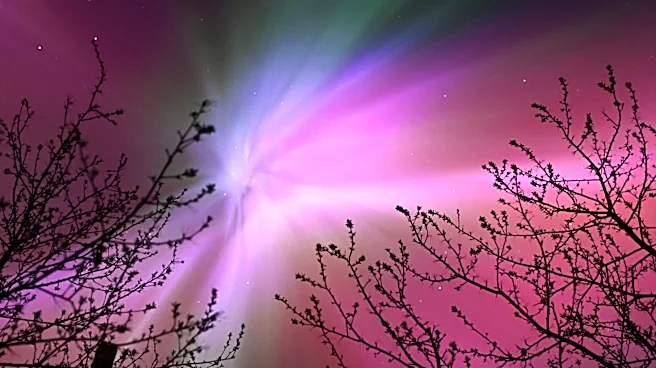
The allure of the Northern Lights in Tromsø extends beyond mere tourism, touching upon cultural and scientific dimensions. The phenomenon itself, a natural light display in the Earth's sky, holds significant cultural importance for indigenous communities in the Arctic, often featuring in folklore and traditions. Scientifically, the consistent visibility of the aurora in Tromsø provides opportunities for research into space weather and atmospheric physics, contributing to a broader understanding of our planet's interaction with the sun. The region's commitment to preserving its natural environment and dark skies is crucial for sustaining this natural wonder for future generations. The economic reliance on aurora tourism also raises questions about sustainable tourism practices, balancing visitor numbers with environmental impact. Moreover, the experience of witnessing the Northern Lights can have a profound personal impact on individuals, offering a sense of wonder and connection to the natural world, which contributes to the region's unique identity and appeal.