






What's Happening?
While a single, simple DUI conviction typically does not automatically lead to deportation for noncitizens in the U.S., it can create serious immigration consequences for green card holders, visa holders, and those applying for citizenship. Federal law
allows for deportation based on certain criminal convictions, including crimes involving moral turpitude, aggravated felonies, controlled substance offenses, and crimes of domestic violence or child abuse. Although a basic DUI is generally not classified as an aggravated felony or a crime involving moral turpitude, aggravating factors can change this. These factors include driving with a suspended license, having a child in the vehicle, causing serious injury or death, multiple DUI convictions, or a DUI alongside other charges like drug or firearm offenses. Such circumstances can trigger removal proceedings, affect green card renewals, impact naturalization applications, or complicate visa processes.
Why It's Important?
The nuanced relationship between DUI convictions and immigration status is critically important because it highlights the severe and often unexpected risks noncitizens face, even for offenses that might seem minor in a criminal context. Unlike U.S. citizens, noncitizens can be subject to deportation, denial of citizenship, or other adverse immigration actions based on criminal records. The 'good moral character' requirement for naturalization means that even a DUI that doesn't lead to deportation can still prevent someone from becoming a citizen, especially if there are multiple offenses. This situation necessitates a coordinated legal approach, where criminal defense attorneys must advise noncitizen clients about potential immigration consequences, and immigration attorneys can help navigate the complexities of how a conviction might affect their status. The lack of automatic deportation for a simple DUI provides a window for defense, but any aggravating factor can quickly escalate the situation, making proactive legal counsel essential.
What's Next?
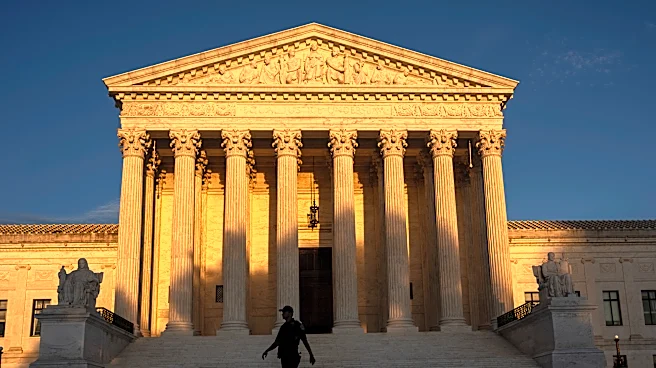
For noncitizens arrested for a DUI, immediate action is crucial. They must inform their criminal defense attorney about their immigration status, as the wording of a plea deal can significantly impact immigration outcomes. It is vital not to accept any plea without understanding its full immigration effect. Gathering all immigration documents and avoiding international travel until consulting an immigration attorney are also critical steps. If a DUI or other conviction leads to a Notice to Appear for removal proceedings, responding quickly and meeting all deadlines is paramount, as missing a hearing can result in an automatic removal order. Depending on their history and status, individuals may have options to fight their case, such as cancellation of removal or arguing that the conviction does not qualify as a deportable offense. The Supreme Court has emphasized the responsibility of defense lawyers to advise noncitizen clients on deportation risks, underscoring the need for integrated legal strategies.
Beyond the Headlines
The intersection of DUI laws and immigration regulations reveals a deeper layer of vulnerability for noncitizens within the U.S. legal system. It underscores how seemingly minor legal infractions can have life-altering consequences for those without citizenship, creating a dual system of justice. This complexity often leads to situations where individuals, unaware of the immigration implications, make decisions in criminal court that inadvertently jeopardize their ability to remain in the country. The emphasis on 'good moral character' for naturalization, where even a single DUI can be weighed, reflects societal expectations and moral judgments embedded within immigration law. This issue also highlights the need for comprehensive legal education and support for immigrant communities, ensuring they are aware of these risks and can access appropriate legal counsel to protect their status and future in the U.S.