


What's Happening?
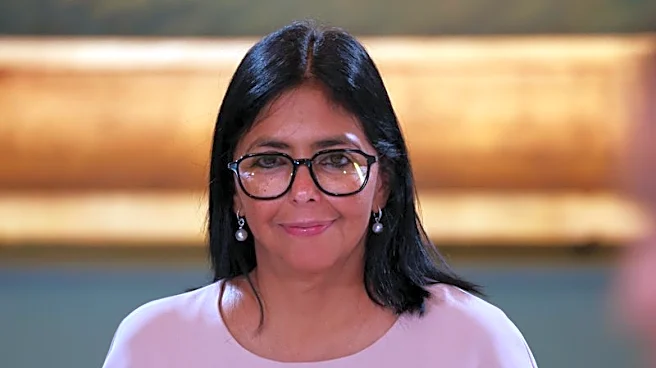
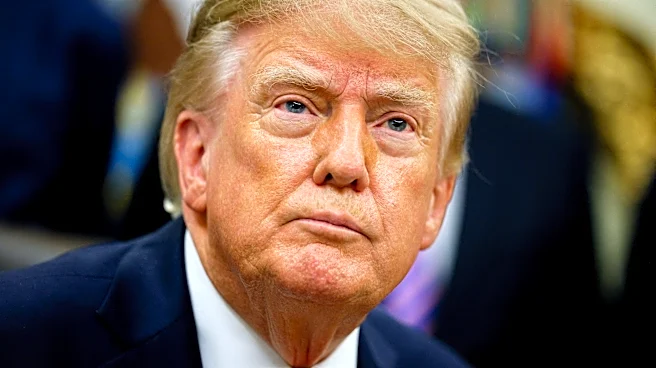
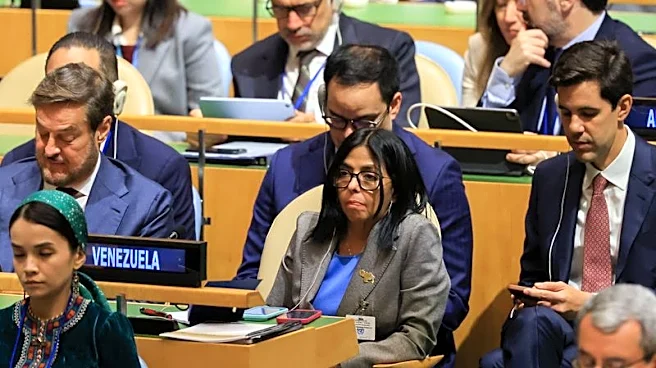
U.S. Republican Congressman Mario Díaz-Balart has clarified that a recent meeting between President Trump and Venezuela's interim president, Delcy Rodríguez, was not intended to legitimize Rodríguez's power but rather to support Venezuela's political
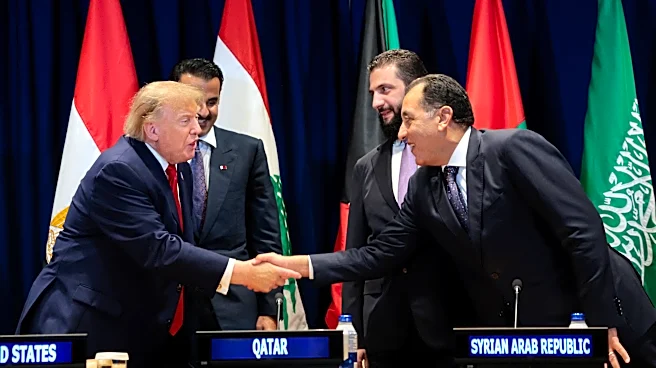
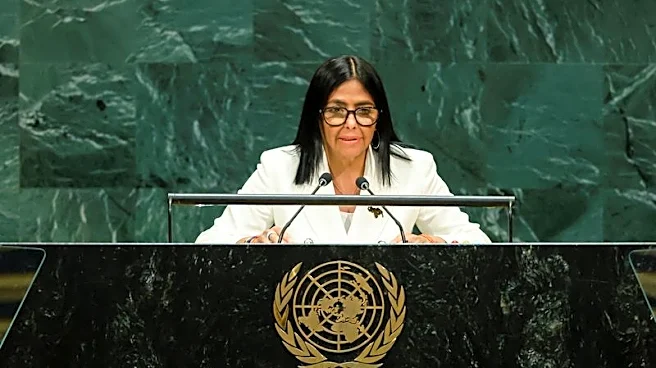
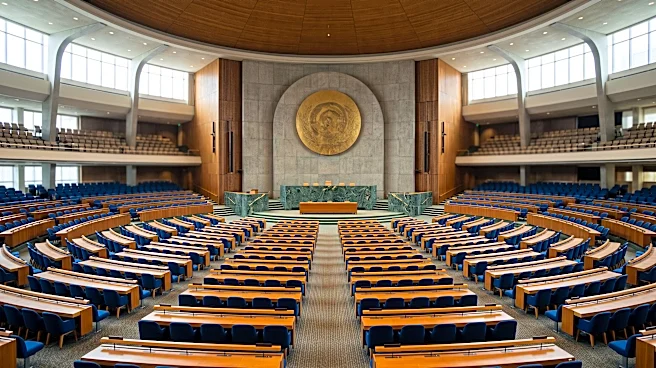
transition towards free elections. The meeting, which took place on September 22 in New York during a UN General Assembly reception, was the first direct encounter between the two leaders since the capture of Nicolás Maduro in January. Díaz-Balart emphasized that significant changes to Venezuela's institutions are necessary before any elections can be held, as he views the current institutions as corrupt and controlled by the regime. Despite acknowledging that the optics of the meeting were not ideal, Díaz-Balart defended the strategy of engaging with key actors in the Venezuelan political process to advance the transition. Rodríguez, on her part, described the meeting as 'historic' and indicated discussions included strengthening U.S.-Venezuela relations and cooperation in areas like energy, mining, and security, notably omitting any mention of political transition.
Why It's Important?
This clarification from Congressman Díaz-Balart is important as it frames the U.S. administration's engagement with Venezuelan officials within the broader context of promoting democratic transition, rather than endorsing the current interim leadership. The U.S. policy towards Venezuela has been characterized by strong opposition to the Maduro regime and support for democratic processes. The meeting, despite its controversial appearance to some, signals a potential shift in diplomatic strategy, moving towards direct engagement to facilitate a resolution. For U.S. interests, a stable and democratic Venezuela could reduce regional instability, address humanitarian concerns, and potentially open avenues for economic cooperation, particularly in the energy sector. However, the perceived legitimacy granted to Rodríguez by such a high-level meeting could also be seen as a setback by Venezuelan opposition groups and their supporters in the U.S., who advocate for a complete removal of the current power structure before any dialogue. The emphasis on institutional reform before elections highlights a key U.S. condition for recognizing the legitimacy of future Venezuelan elections.
What's Next?
The U.S. will likely continue to monitor the political developments in Venezuela closely, with a focus on the implementation of institutional reforms that Congressman Díaz-Balart deemed essential for free and fair elections. Future engagements between U.S. and Venezuelan officials may occur, potentially building on the discussions initiated during the Trump-Rodríguez meeting, particularly concerning debt restructuring, economic stability, and the political transition roadmap. The U.S. administration will need to balance its diplomatic efforts with maintaining pressure for democratic change, while also addressing concerns from domestic and international stakeholders regarding the perceived legitimacy of the interim government. The reaction of Venezuelan opposition leaders, such as Maria Corina Machado, who has faced obstacles in returning to Venezuela, will also be a critical factor in shaping the narrative and future actions. The ongoing discussions on economic and energy matters suggest a pragmatic approach, but the ultimate goal remains a democratic resolution for Venezuela.
Beyond the Headlines
The meeting between President Trump and Delcy Rodríguez, despite its stated purpose of facilitating transition, carries deeper implications regarding the U.S.'s foreign policy approach to complex geopolitical situations. The willingness to engage with a figure previously under U.S. sanctions and associated with a regime deemed illegitimate by Washington highlights a pragmatic, albeit controversial, shift. This approach suggests a recognition that direct dialogue, even with adversaries, might be necessary to achieve strategic objectives, such as a democratic transition in Venezuela. However, it also raises ethical questions about the potential for legitimizing figures who have been accused of repression and corruption, as noted by some U.S. lawmakers. The 'optics' of such meetings can significantly impact public perception and the morale of opposition movements. This event underscores the delicate balance between diplomatic engagement and upholding democratic principles, and how the U.S. navigates these complexities in its pursuit of foreign policy goals.