






What's Happening?
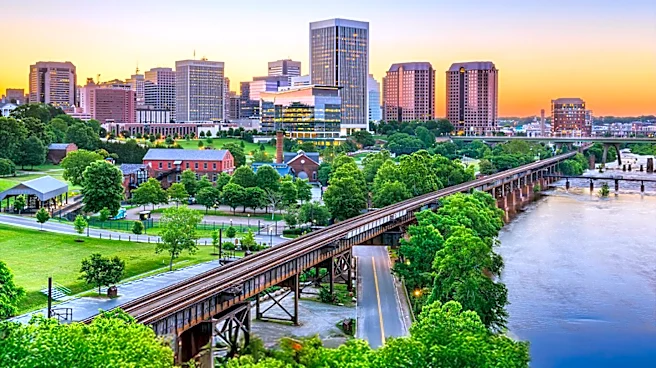
Pennsylvania Governor Josh Shapiro, alongside Lt. Gov. Austin Davis, has unveiled a comprehensive plan to revitalize downtown Harrisburg through public and private investments totaling over $64 million. This initiative includes $22.7 million in new state
funding, building on more than $31 million previously allocated by the Shapiro administration for projects in Harrisburg. Key components of the plan include an $11 million allocation to convert office space at 333 Market St. into a Marriott hotel, $2.25 million for improvements along the Riverfront Park corridor, and another $2.25 million for rebuilding the Broad Street Market. Additional investments are earmarked for a health and social services center at Eden Village, a revolving downtown development loan fund, and bicycle lanes along Walnut Street. The 'Harrisburg Works for All of Us' plan aims to expand housing and neighborhood amenities, fill vacant storefronts, enhance pedestrian safety and public transportation, and improve public spaces.
Why It's Important?
This significant investment underscores a strategic effort to boost economic activity and improve the quality of life in Pennsylvania's capital city. The revitalization plan is expected to create jobs, attract tourism, and stimulate local businesses, contributing to the broader economic health of the region. By focusing on diverse areas such as hospitality, infrastructure, social services, and housing, the initiative addresses multiple facets of urban development. The emphasis on affordable housing, as seen in Pittsburgh's similar efforts, suggests a commitment to inclusive growth, ensuring that the benefits of revitalization are accessible to a wider range of residents. The plan's success could serve as a model for other urban centers in Pennsylvania seeking to rejuvenate their downtown areas, demonstrating the potential impact of coordinated public and private sector collaboration.
What's Next?
The implementation of the 'Harrisburg Works for All of Us' plan will proceed with the allocation of funds to various projects. The Harristown Development Corp. will move forward with the Marriott hotel conversion, and improvements to Riverfront Park and the Broad Street Market are expected to commence. The administration will also continue to evaluate strategies to reduce downtown parking costs and enhance public safety technology. The Pennsylvania Downtown Center and Project for Public Spaces, which developed the plan with extensive community input, will likely play a role in monitoring its progress. Future steps will involve ongoing collaboration between state and local officials, businesses, and community organizations to ensure the successful execution of the various initiatives and to adapt to any emerging needs or challenges.
Beyond the Headlines
The Harrisburg revitalization plan reflects a broader trend in urban development focusing on creating vibrant, mixed-use downtown areas that serve as economic and social hubs. Beyond the immediate economic benefits, such initiatives can foster a stronger sense of community, enhance civic pride, and attract new residents and businesses. The plan's comprehensive approach, addressing everything from housing and infrastructure to arts and recreation, suggests an understanding that successful urban renewal requires a holistic strategy. The involvement of community input through surveys, focus groups, and workshops highlights a commitment to inclusive planning, aiming to ensure that the development meets the actual needs and desires of the people it serves. This long-term vision for Harrisburg could lead to sustained growth and a more resilient urban environment.