
What's Happening?
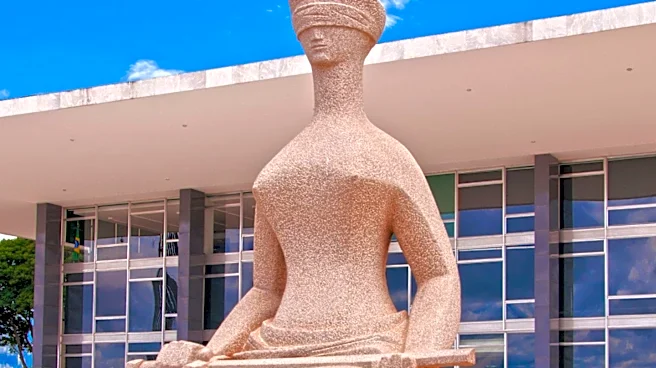
A federal appeals court has rejected President Trump's attempt to impose a $100,000 fee on new H-1B visas. The Boston-based 1st US Circuit Court of Appeals upheld a lower court's decision that the fee constitutes
an unlawful tax, which only Congress has the authority to impose. The fee was part of Trump's broader immigration policy aimed at reducing the hiring of foreign workers. The court's decision prevents the administration from enforcing the fee, which had significantly reduced demand for H-1B visas.
Why It's Important?
The court's decision is a significant setback for the Trump administration's immigration policy, particularly its efforts to restrict the H-1B visa program. The ruling underscores the limits of executive power in imposing taxes and highlights the role of the judiciary in checking presidential authority. The decision is crucial for technology companies and other industries that rely on H-1B visas to hire skilled foreign workers. It may also influence future immigration policies and the administration's approach to regulating foreign labor.
What's Next?
The administration may consider appealing the decision to the Supreme Court or exploring alternative measures to regulate the H-1B visa program. The ruling could prompt legislative efforts to address the issues surrounding the visa program and its impact on the U.S. labor market. Businesses and industry groups may continue to advocate for policies that support the hiring of skilled foreign workers, while policymakers debate the balance between protecting domestic jobs and meeting the needs of the economy.