






What's Happening?
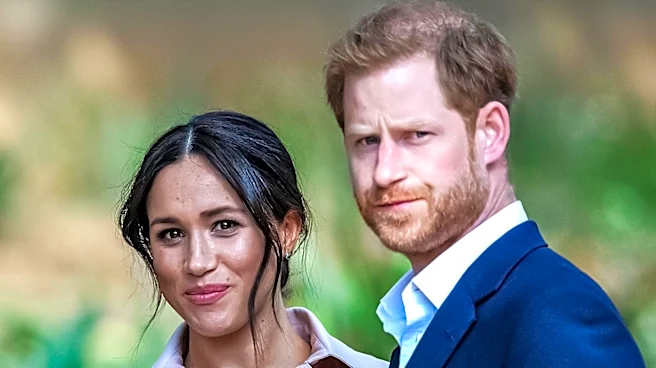
According to Mirror royal editor Russell Myers in his book 'William and Catherine: The Intimate Inside Story,' Prince William's unwillingness to intervene regarding Meghan Markle's security requests significantly contributed to the ongoing feud with Prince Harry.
The book details that during the early days of Meghan Markle's relationship with Prince Harry, she faced intense social media scrutiny due to her biracial heritage. Prince Harry reportedly demanded action to ensure her security, but royal aides stated they were powerless. He then turned to the royal protection teams funded by the Home Office. Harry was informed that protection would not be provided until he was married to Markle, a decision he found 'incredulous.' He appealed to his father, King Charles (then Prince of Wales), and sought William's intervention. However, King Charles insisted he could not get involved in a government decision, especially one involving taxpayer costs. Myers highlights that Catherine (now Princess of Wales) had received unofficial guidance and round-the-clock protection as soon as she became engaged to William, leading Harry to perceive a double standard. The author claims William's 'unwillingness' to support Harry in this matter 'ignited' their long-running feud.
Why It's Important?
This revelation is important as it sheds light on a critical, early point of contention that reportedly exacerbated the rift between Prince William and Prince Harry. The issue of Meghan Markle's security, particularly the perceived disparity in treatment compared to Catherine, highlights underlying tensions within the royal family regarding protocol, support, and public image. It suggests that the brothers' differing perspectives on protecting their partners and navigating the pressures of royal life were deeply rooted. The alleged lack of support from Prince William, as detailed by Myers, could be seen as a pivotal moment that eroded trust and fostered resentment, ultimately contributing to Prince Harry and Meghan Markle's decision to step back from royal duties. This narrative offers a specific, tangible reason for the breakdown in their relationship, moving beyond general speculation about personality clashes or media pressure. It underscores the institutional challenges and personal sacrifices involved in being part of the British monarchy, particularly for those marrying into it.
What's Next?
The publication of these claims by Russell Myers is likely to reignite public discussion and media scrutiny regarding the relationship between Prince William and Prince Harry. While the royal family typically refrains from commenting on such reports, the narrative could further entrench existing public opinions about the feud. It may also prompt renewed calls for transparency or understanding from both sides, though direct reconciliation remains uncertain. For Prince Harry and Meghan Markle, who have recently returned to the UK, this renewed focus on past grievances could complicate their efforts to establish a new public image and continue their charitable and creative endeavors. The ongoing dispute continues to draw attention, and any future interactions or statements from either brother will be analyzed through the lens of these historical tensions. The book's assertions could also influence how future biographers and commentators interpret the dynamics within the British royal family.
Beyond the Headlines
Beyond the immediate family dynamics, this account touches upon the broader implications of security and protection for public figures, especially those within royal families. It highlights the complex interplay between personal safety, institutional protocols, government funding, and public perception. The perceived 'one rule for him and another for me' sentiment expressed by Prince Harry raises questions about fairness, equality, and the inherent biases that can exist within established institutions. It also underscores the immense pressure placed on individuals in the public eye, where personal safety can become a matter of public debate and political decision-making. The story serves as a case study in how personal relationships can be profoundly affected by institutional structures and the relentless scrutiny of the media, ultimately influencing major life decisions and altering the course of historical lineages.