








What's Happening?
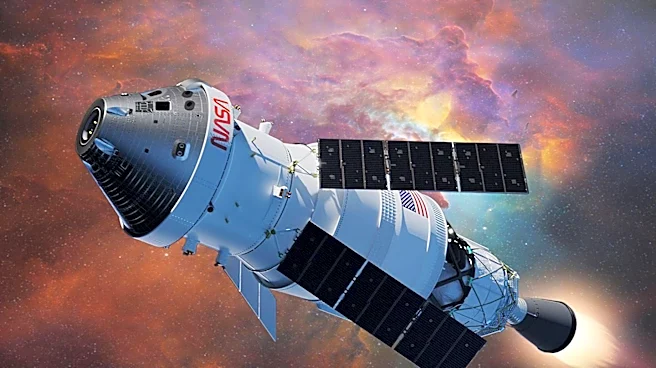
Greg Heckler, deputy program manager for NASA's Space Communications and Navigation (SCaN) program, is leading efforts to develop communication infrastructure for the Artemis lunar missions. This includes the Orion Artemis II Optical Communications System
(O2O) and the Lunar Communications Relay and Navigation Systems (LCRNS). These systems aim to enhance data transfer capabilities between the lunar surface and Earth, supporting sustainable human presence on the moon. Heckler will discuss these initiatives at the 2026 Air and Space Summit, highlighting NASA's transition to commercial space relay infrastructure.
Why It's Important?
The development of advanced communication systems is crucial for the success of NASA's Artemis missions, which aim to establish a long-term human presence on the moon. By improving data transfer capabilities, NASA can ensure real-time communication and navigation support for astronauts, enhancing mission safety and efficiency. The collaboration with commercial partners like Intuitive Machines and Nokia demonstrates the growing role of the private sector in space exploration. This partnership could accelerate technological advancements and reduce costs, benefiting both NASA and its commercial collaborators.
What's Next?
NASA plans to continue its collaboration with commercial partners to further develop and deploy communication systems for lunar missions. The upcoming launch of the first lunar relay satellite, Altus-1, in November, will be a significant milestone in this effort. The agency is also exploring additional partnerships and technologies to support future missions to Mars and beyond. The outcomes of these initiatives will be closely watched by industry stakeholders and could influence future space exploration strategies.