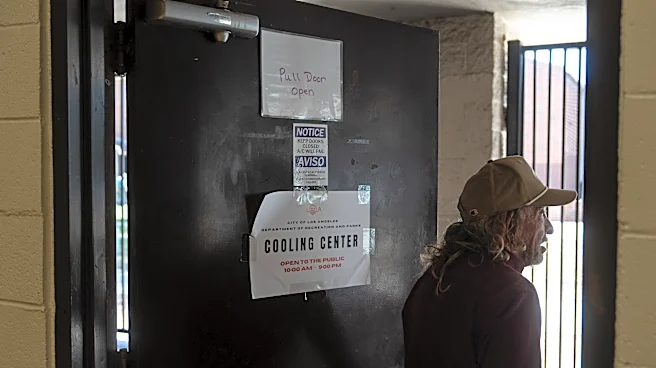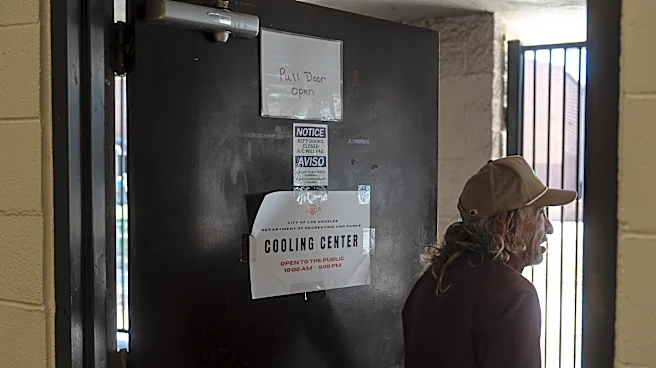

What's Happening?
Southern California is experiencing a slight reprieve from a persistent heat wave, with coastal areas expected to cool by 1 to 2 degrees each day through Wednesday. Despite this, temperatures will remain
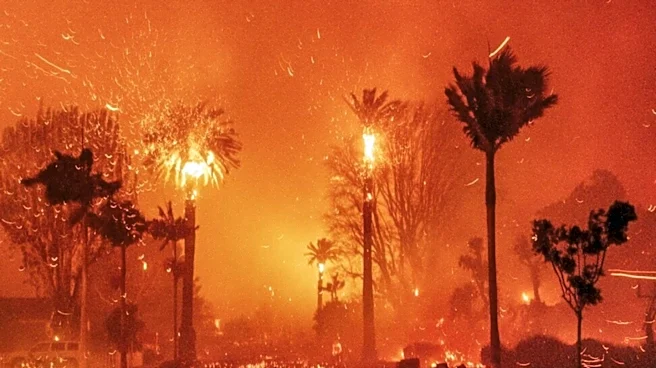
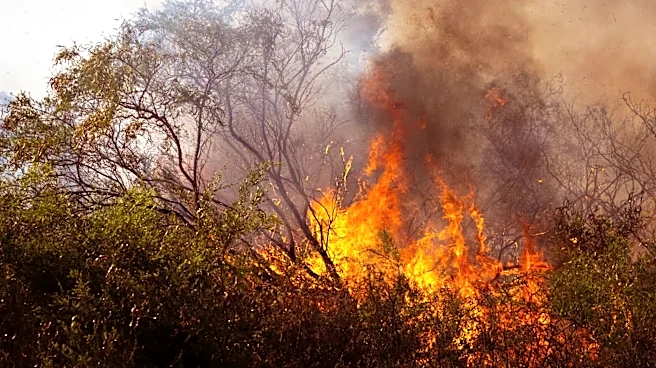
above normal, and heat advisories are in place for lower-elevation mountain and interior areas, where highs could reach 100 to 110 degrees. The National Weather Service has issued warnings of elevated fire weather conditions due to hot, dry, and breezy conditions, with single-digit humidity levels expected. These conditions could lead to rapid fire spread and erratic fire behavior if a fire starts. The highest-risk areas include the Interstate 5 corridor and interior mountains and valleys of San Luis Obispo, Santa Barbara, and Ventura counties.
Why It's Important?
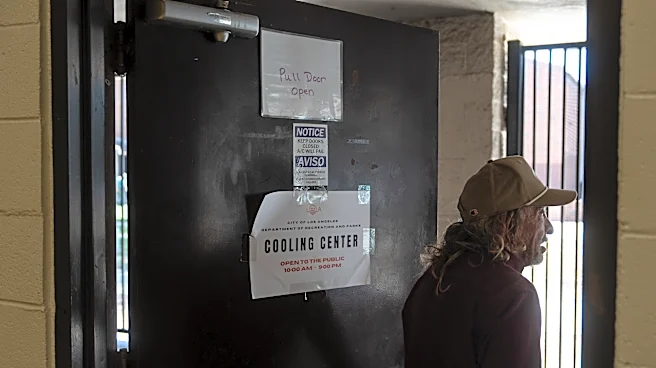
The ongoing heat wave and associated fire risks highlight the increasing frequency and intensity of extreme weather events, which scientists attribute to climate change. The persistent high temperatures pose health risks, particularly for vulnerable populations, and strain public health resources. The elevated fire risk threatens communities and ecosystems, potentially leading to significant economic and environmental damage. The situation underscores the need for effective emergency preparedness and response strategies to mitigate the impacts of such extreme weather events.
What's Next?
Forecasters expect humidity levels to rise by Saturday, which could limit nighttime cooling and potentially lead to another round of heat advisories. Authorities are likely to continue monitoring fire weather conditions closely, with the possibility of issuing red-flag warnings if critical conditions persist. Public health and safety officials may need to implement additional measures to protect vulnerable populations from heat-related illnesses and to prepare for potential fire outbreaks.