

What's Happening?
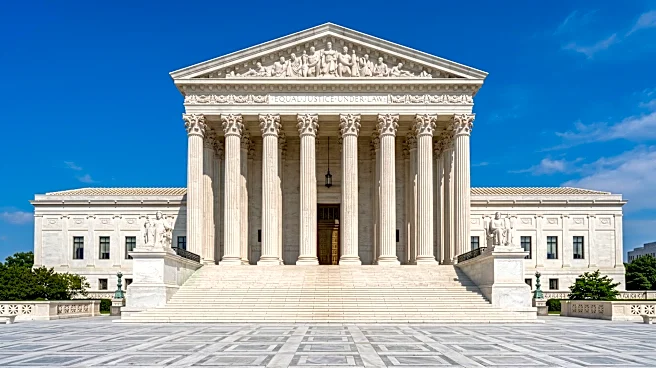
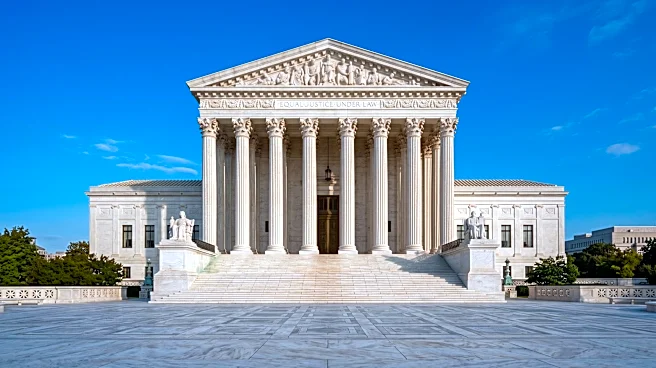
U.S. Supreme Court Justice Brett Kavanaugh has denied an emergency injunction request against a Michigan state canvassers' decision regarding a proposed proof-of-citizenship voting amendment. This decision effectively halts the amendment's path to the November
ballot through the judicial system. The proposed amendment to the Michigan Constitution would have required proof of citizenship to register to vote and mandated photo identification at the polls or within six days of an election for a ballot to be counted. The Americans for Citizen Voting Michigan campaign had appealed to both the Michigan Supreme Court and then the U.S. Supreme Court after the Michigan Board of State Canvassers deadlocked on whether enough valid petition signatures were submitted. Justice Kavanaugh, who handles emergency filings for the region including Michigan, reviewed briefs from both parties before issuing his denial. The campaign expressed deep disappointment, citing the nearly 710,000 Michigan citizens who signed the petition.
Why It's Important?
This ruling by Justice Kavanaugh carries significant implications for voting rights and election integrity debates in Michigan and potentially other states. The denial of the injunction means that a measure aimed at tightening voter registration requirements will not appear on the upcoming ballot, preserving the current voting procedures in Michigan. Proponents of such amendments often argue they are necessary to prevent voter fraud and ensure only eligible citizens vote, while opponents contend they can disenfranchise eligible voters, particularly minority groups or those with limited access to required documentation. The decision underscores the power of judicial review in electoral processes and highlights the challenges citizen-led initiatives face when navigating legal and administrative hurdles. The outcome could influence future efforts to introduce similar voting restrictions or reforms in Michigan and other states, as campaigns assess the viability of pursuing such measures through the petition and judicial systems.
What's Next?
With the denial of the emergency injunction, the proposed proof-of-citizenship voting amendment has exhausted its judicial avenues for inclusion on the November ballot. The Americans for Citizen Voting campaign has indicated that its work is not over and is now shifting its focus to the 2028 election cycle, suggesting they plan to reintroduce the measure in the future. This means that while the immediate threat of the amendment passing is gone, the debate over proof-of-citizenship voting requirements in Michigan is likely to resurface. Stakeholders on both sides, including voting rights organizations and proponents of stricter voting laws, will likely begin strategizing for future legislative or ballot initiatives. The Michigan Board of State Canvassers is scheduled to meet, but it is not expected to reverse its previous decision, given the Supreme Court's action. The statutory deadline to finalize the ballot is Friday at 5 p.m., further cementing the amendment's exclusion.
Beyond the Headlines
The Supreme Court's decision, specifically Justice Kavanaugh's denial, reflects broader tensions in the U.S. regarding access to the ballot box versus election security. The debate over proof-of-citizenship requirements touches upon fundamental questions of democratic participation and the role of government in regulating elections. While the immediate impact is on Michigan's upcoming election, the underlying legal and political arguments are part of a national conversation. The case also highlights the procedural complexities and strict deadlines involved in ballot initiatives, where even a large number of signatures can be insufficient if administrative or judicial requirements are not met. The campaign's pivot to 2028 suggests a long-term commitment to their cause, indicating that these issues will continue to be central to political discourse and legal challenges in the coming years, potentially influencing voter turnout and demographic participation in future elections.