

What's Happening?
The United States and India have reached an interim trade agreement that aims to protect sensitive agricultural and dairy sectors while expanding market access for various goods. According to Finance Minister Nirmala Sitharaman, the deal ensures that key
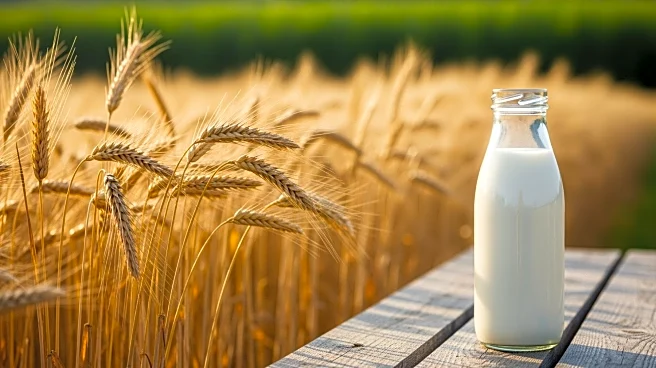
farm products such as maize, wheat, rice, and dairy items are safeguarded, thereby supporting farmer incomes in India. The agreement includes a reduction of reciprocal tariffs on Indian goods to 18%, benefiting sectors like textiles, leather, and machinery. Additionally, the U.S. and India have committed to providing each other with preferential market access and addressing non-tariff barriers that affect bilateral trade. The deal also includes exemptions for India under section 232 on aircraft parts and tariff rate quotas on auto parts, which are expected to lead to export gains.
Why It's Important?
This trade agreement is significant as it strengthens economic ties between the U.S. and India, two major global economies. By protecting sensitive agricultural sectors, the deal supports rural livelihoods in India, which is crucial for a country with a large agrarian population. For the U.S., the agreement opens up new market opportunities for industrial goods and agricultural products, potentially boosting exports. The commitment to address non-tariff barriers could lead to smoother trade relations and increased economic cooperation. The deal also reflects a strategic partnership that could influence global trade dynamics, especially in the context of ongoing trade tensions with other countries.
What's Next?
The U.S. and India plan to continue negotiations to further expand market access opportunities through the Bilateral Trade Agreement (BTA). The U.S. has indicated its willingness to consider lowering tariffs on Indian goods, which could lead to more comprehensive trade arrangements in the future. Both countries are expected to work on establishing rules of origin to ensure that the benefits of the agreement are mutually advantageous. The ongoing dialogue may also address other long-standing trade concerns, potentially leading to a more robust economic partnership.