



What's Happening?
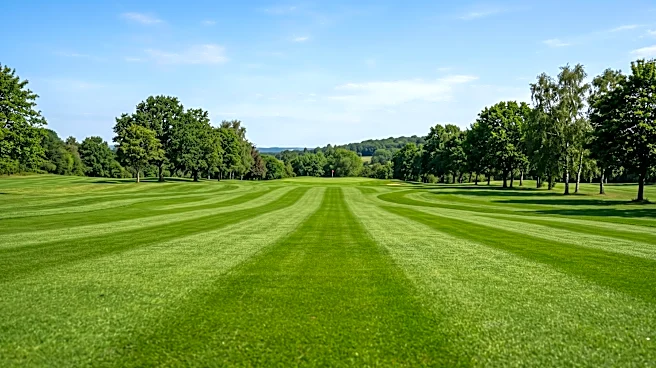
A federal judge has issued a temporary order blocking President Trump's plan to renovate a historic public golf course in Washington D.C. U.S. District Judge Ana Reyes temporarily halted the federal government from proceeding with a plan that would have
closed East Potomac Park for 15 months to transform its golf offerings into a championship-level course. Judge Reyes ruled that the Trump administration's stated reasons for the closure were "pretextual" and that the government violated at least two federal laws to meet an arbitrary deadline. The lawsuit was brought by the DC Preservation League, a historic preservation group, which argues that the plan would alter the character of the accessible golf course and make it unaffordable for many Washingtonians.
Why It's Important?
This ruling represents a setback for President Trump's broader ambition to leave an architectural legacy across Washington D.C. and highlights ongoing legal challenges to his construction projects. The judge's decision underscores the importance of adhering to federal laws and regulations, even for presidential initiatives. It also protects public access to a historic park that serves a diverse community, preventing its potential transformation into an exclusive facility. The case demonstrates the judiciary's role in checking executive actions, particularly when they are perceived to bypass established legal processes or negatively impact public resources. The outcome could influence future development plans for public spaces in the nation's capital.
What's Next?
While the park is ordered to remain open, the Trump administration is not required to maintain golf operations at the site, though it cannot use the absence of golf operations to exclude the public. The legal battle is likely to continue, with potential appeals from the administration. Judge Reyes has also ordered an ethics investigation into whether government lawyers misled her about the timeline for the park's closure, indicating further legal scrutiny. The ongoing litigation will determine the ultimate fate of the East Potomac Park golf course and could set precedents for how public lands and historic sites are managed and developed in the future.
Beyond the Headlines
This case extends beyond a single golf course renovation, touching upon themes of public access, historical preservation, and the appropriate use of federal resources. The plaintiffs' argument that the renovation would make the course unaffordable raises questions about equity and inclusivity in public spaces. The judge's strong language regarding the government's actions and the ordered ethics investigation highlight concerns about transparency and accountability within the administration. This legal challenge is part of a pattern of judicial pushback against President Trump's construction projects in Washington D.C., suggesting a broader tension between presidential vision and established legal and community interests.