

What's Happening?
Illinois Republican members of Congress have urged President Trump not to pardon former Illinois House Speaker Michael Madigan. Madigan, a prominent Democrat, was convicted on multiple corruption charges and is currently serving a 7½-year prison sentence.
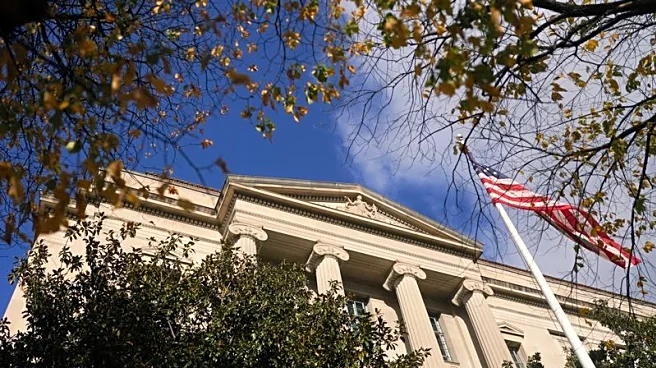
The Republicans argue that pardoning Madigan would undermine public trust and send a message that public officials can act with impunity. Madigan's conviction was part of a broader investigation into a corruption network involving former Commonwealth Edison executives. The request for clemency is pending with the Justice Department's Office of the Pardon Attorney.
Why It's Important?
The plea from Illinois Republicans highlights the ongoing debate over the use of presidential pardon powers, particularly in cases involving political figures. A pardon for Madigan could have significant political ramifications, potentially affecting public perception of accountability and integrity in government. It also raises questions about the balance of power and the role of the executive branch in judicial matters. The situation underscores the complexities of political alliances and the potential impact of high-profile pardons on public trust in the justice system.
What's Next?
The decision on Madigan's pardon request rests with President Trump, who has previously taken an unconventional approach to pardons. The outcome could influence future clemency requests and set a precedent for handling cases involving political figures. The response from the public and political stakeholders will likely shape the discourse on government accountability and the ethical use of pardon powers. The situation also poses a test for the Republican Party's stance on corruption and integrity in public office.