






What's Happening?
The Maine Turnpike Authority (MTA) is rolling out a new smart incident detection system to significantly improve roadway safety. This system, developed in partnership with Valerann and utilizing their Lanternn platform, integrates various data sources,
including existing roadway systems, to provide operators with enhanced situational awareness. The technology aims to identify hazards such as wrong-way drivers, stalled vehicles, roadway debris, wildlife in travel lanes, and weather-related issues earlier than traditional methods. Currently, incidents are often first reported through 911 calls, MTA's traffic control support line (#999), or third-party applications like Waze. The new platform is designed to automate incident detection and shorten the response time by analyzing traffic patterns and data in real-time. Andre Briere, Executive Director of the Maine Turnpike Authority, emphasized that while the technology assists, human operators remain central to decision-making and coordinating responses with Maine State Police Troop G, local fire and EMS departments, maintenance crews, tow trucks, and Safety Patrol vehicles.
Why It's Important?
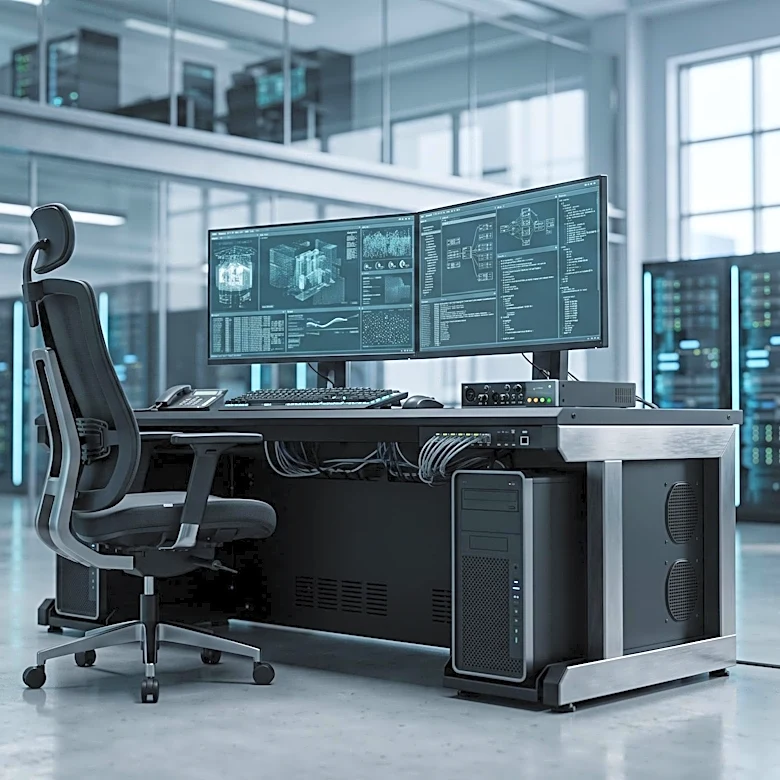
This initiative is crucial for public safety on Maine's roadways, particularly given the challenges of identifying incidents like wrong-way drivers, which can have catastrophic consequences. By providing earlier detection and more comprehensive situational information, the system can enable quicker intervention by emergency services, potentially saving lives and reducing the severity of accidents. The integration of multiple data sources into a single interface streamlines the work of the Traffic Management and Communications Center (TMCC) operators, allowing them to validate incidents faster and make more informed decisions. This proactive approach to incident management also has economic implications by reducing traffic delays and associated costs for commuters and commercial transport. Furthermore, the analytical tools within the Lanternn platform can help identify trends and recurring conditions, informing future investments in infrastructure and safety improvements, thereby optimizing resource allocation and enhancing overall roadway efficiency.
What's Next?
The Maine Turnpike Authority is currently in the process of integrating the Lanternn platform, with data connections being established and tested. The system is not yet operational for incident detection or response activities. Training and on-site support sessions for MTA staff are scheduled for mid-February 2027. Following this training, MTA will evaluate the system's operational readiness before it is placed into active service in the spring of 2027. The public will be notified once the system is fully implemented and actively being used to support roadway operations. This phased implementation ensures that the technology is thoroughly integrated and staff are adequately trained to maximize its effectiveness in enhancing roadway safety.
Beyond the Headlines
The adoption of advanced smart detection systems like Lanternn by the Maine Turnpike Authority signifies a broader trend towards leveraging technology for infrastructure management and public safety. This move highlights a shift from reactive incident response to proactive prevention and early detection, which could become a standard for transportation authorities nationwide. The ethical implications of such systems, particularly regarding data privacy and surveillance, will likely become more prominent as these technologies become more widespread, though the current focus is on traffic and hazard detection rather than individual monitoring. The success of this system in Maine could serve as a model for other states facing similar challenges with roadway safety and incident management, potentially leading to a nationwide transformation in how traffic incidents are handled and prevented. This also underscores the increasing reliance on artificial intelligence and data analytics to address complex societal problems.