



What's Happening?
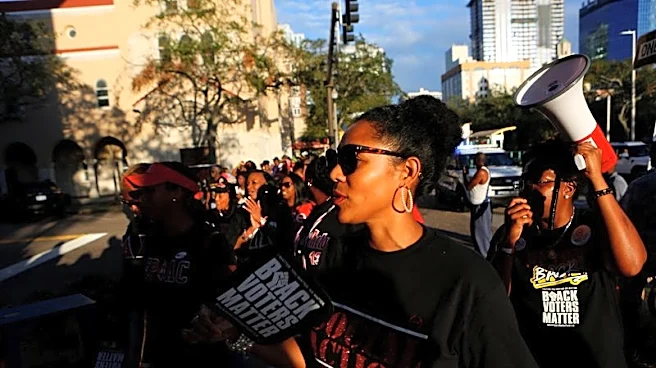
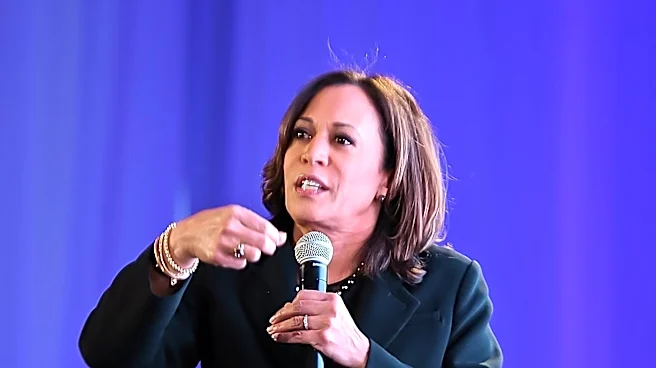
Black Democrats are publicly defending Vice President Kamala Harris following recent remarks by Hunter Biden, who questioned her loyalty to his father, former President Joe Biden. Hunter Biden stated in an interview that while Harris has a significant
political future, he believes she received 'bad political advice' and was not 'loyal to a fault' to his father. He declined to elaborate on specific instances of disloyalty, stating it was 'between me and her.' These comments have drawn criticism from several Black Democrats, including former Biden White House official Yemisi Egbewole and Shaniqua McClendon, senior vice president of political strategy at Crooked Media. They argue that Harris was, in fact, overly loyal to Joe Biden, which some political experts suggest may have hindered her 2024 presidential campaign. Egbewole emphasized that Hunter Biden is not an elected official and his opinion should be given little weight, while Anthony Coley, a former Justice Department official, called Hunter Biden's remarks 'shortsighted' and 'missed the mark.'
Why It's Important?
This public disagreement highlights underlying tensions and perceptions within the Democratic Party regarding loyalty, political strategy, and the roles of key figures. Hunter Biden's comments, particularly his insinuation of disloyalty without clear explanation, could create unnecessary friction and distractions for Vice President Harris, who is currently running for president. The defense from Black Democrats underscores the importance of Harris's standing within this crucial demographic and the party's efforts to maintain unity. The debate also touches upon the broader challenge faced by vice presidents in establishing their own political identity while serving under a president, especially when considering future presidential bids. The narrative of 'loyalty to a fault' suggests a strategic dilemma for Harris, where her adherence to the Biden administration's stance might have prevented her from differentiating herself, potentially impacting her electability in a 'change election' environment.
What's Next?
The immediate aftermath of Hunter Biden's comments will likely involve continued public discourse and potential efforts by the Democratic Party to manage the narrative. Vice President Harris's campaign may need to address these loyalty claims, either directly or indirectly, to reassure her base and project an image of strong leadership. Political commentators and strategists will continue to analyze the implications of these remarks on her presidential campaign, particularly how they might influence voter perception and internal party dynamics. Hunter Biden's ongoing media appearances, where he has engaged with various political figures, suggest he may continue to offer his perspectives, potentially prolonging the discussion. The focus will be on how Harris navigates these criticisms while articulating her vision for the country, especially given the historical context of vice presidents seeking the top office.
Beyond the Headlines
The controversy extends beyond mere political squabbling, touching upon the complex dynamics of family influence in politics and the ethical considerations of public commentary from non-elected family members. Hunter Biden's assertion that he can 'say whatever the f*** I want' because he's not running for office raises questions about accountability and the impact of personal opinions from those closely associated with political power. Furthermore, the discussion about Harris's 'loyalty to a fault' delves into the strategic tightrope walk for any vice president: how to demonstrate unwavering support for the administration while simultaneously cultivating an independent political identity for future aspirations. This incident could serve as a case study on the challenges of political succession and the often-unspoken expectations of allegiance within political partnerships, particularly when a vice president is poised to become a presidential nominee.