




What's Happening?
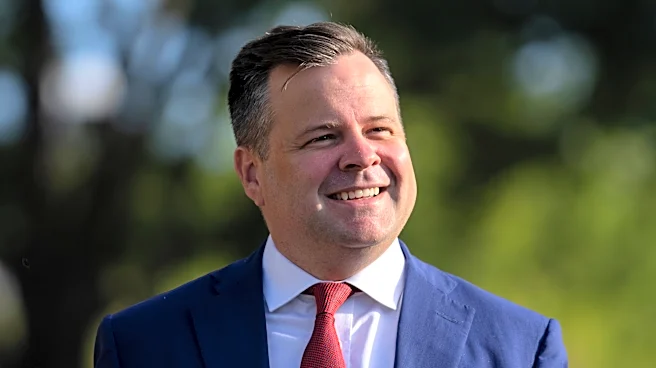
Brian Bennett has been appointed as the national security director at MS NOW, where he will oversee national security reporting at the White House and across the Trump administration. Bennett, a veteran journalist, has extensive experience covering the White House since
2017 and has reported from 19 countries, including Hong Kong, Pakistan, Afghanistan, and Iraq. He previously served as Time's Baghdad bureau chief during the Iraq War and has worked for the Los Angeles Times as a White House and immigration reporter. Bennett's career includes covering the Joe Biden, Kamala Harris, and Donald Trump campaigns, as well as conducting a cover story and Oval Office interview with President Trump. He is set to begin his new role on July 1.
Why It's Important?
Bennett's appointment comes at a critical time when the United States faces various national security challenges, including ongoing conflicts and evolving threats. His extensive experience in international reporting and covering major conflicts positions him to provide authoritative and accurate national security coverage. This move is significant for MS NOW as it aims to enhance its reporting capabilities and deliver trusted information to audiences. Bennett's leadership is expected to help the organization navigate complex security issues and inform the public about decisions made within the White House that impact national security.
What's Next?
As Bennett assumes his role on July 1, he will likely focus on strengthening MS NOW's national security reporting and ensuring comprehensive coverage of the Trump administration's security policies. His experience in interviewing world leaders and covering major disasters will be instrumental in providing insights into the administration's strategies and their implications for the country. Stakeholders, including political leaders and civil society groups, may react to Bennett's reporting as it sheds light on critical security decisions and their broader impact.
Beyond the Headlines
Bennett's appointment highlights the importance of experienced journalism in shaping public understanding of national security issues. His role may influence how media organizations approach reporting on complex security matters, emphasizing the need for fast, accurate, and authoritative information. This development could also prompt discussions on the ethical responsibilities of journalists in covering sensitive topics related to national security and the balance between transparency and security.