




What's Happening?
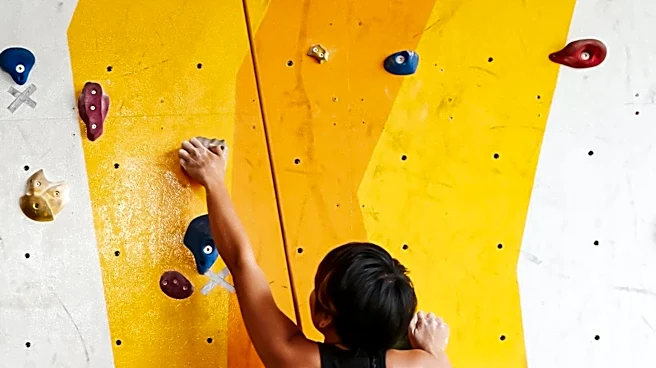
A group of amputees in Oklahoma is actively engaging in rock climbing and other physical activities to maintain their physical and mental health. This initiative, highlighted by Amy Slanchik in 'Health Matters with TSET,' showcases how Oklahomans are
overcoming significant physical challenges. The program involves Climb Tulsa, which has partnered with Progressive Prosthetics and Orthotics to host amputees from across the region. Participants like Leslie Livingston, who lost most of her left leg in a motorcycle accident a decade ago, emphasize the importance of staying active for both mental and physical well-being. Todd Huston, another participant, is notable for being the first leg amputee to climb the highest point in all 50 states, achieving this feat in 66 days, shattering the previous able-bodied world record by over 35 days. These individuals are not only pursuing personal fitness but also inspiring others with disabilities to explore their capabilities and not be limited by their conditions.
Why It's Important?
This movement is important because it demonstrates the significant role adaptive sports, particularly rock climbing, can play in the rehabilitation and empowerment of individuals with disabilities. By providing a platform for physical activity and community engagement, programs like the one in Tulsa help amputees regain confidence and improve their overall quality of life. The stories of individuals like Leslie Livingston and Todd Huston serve as powerful examples, challenging societal perceptions of disability and promoting inclusivity in sports. This initiative also highlights the critical collaboration between rehabilitation services, such as Progressive Prosthetics and Orthotics, and community organizations like Climb Tulsa, in fostering environments where individuals can thrive despite physical limitations. The mental health benefits, including increased self-esteem and a sense of accomplishment, are as crucial as the physical advantages, contributing to a more holistic approach to well-being for this demographic.
What's Next?
The ongoing collaboration between Climb Tulsa and Progressive Prosthetics and Orthotics is expected to continue providing opportunities for amputees to participate in rock climbing and other adaptive sports. The success stories and the positive impact on participants' lives are likely to encourage similar programs in other regions, potentially expanding the reach of adaptive sports. Individuals like Todd Huston will continue their work in inspiring others, including visiting hospital patients who are facing limb loss, to show them the possibilities that still exist. The focus will remain on encouraging amputees and paraplegics to leave their homes and engage in activities, demonstrating that a disability does not equate to an end of an active life. This could lead to increased participation in various adaptive sports, fostering a larger community of empowered individuals.
Beyond the Headlines
Beyond the immediate physical and mental health benefits, this initiative touches upon deeper societal implications regarding disability and inclusion. It challenges the conventional narrative surrounding disability, shifting the focus from limitations to capabilities and resilience. The participation of amputees in a demanding sport like rock climbing can help dismantle stereotypes and foster a more inclusive understanding of athleticism. Ethically, it underscores the importance of accessible recreational facilities and adaptive equipment, advocating for environments that cater to diverse physical needs. Culturally, these stories contribute to a broader movement of empowerment for individuals with disabilities, promoting a message of perseverance and the pursuit of personal goals regardless of physical challenges. This can lead to long-term shifts in public perception and policy, encouraging greater investment in adaptive sports and rehabilitation programs.