






What's Happening?
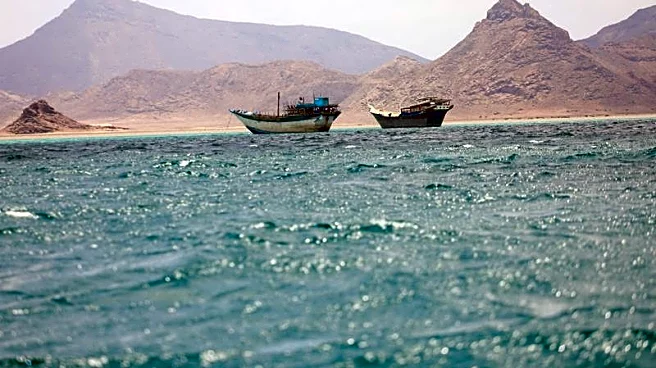
China has initiated direct discussions with Yemen's Houthi movement to ensure the safe passage of its tankers through the southern Red Sea. This move comes after the Houthis, aligned with Iran, declared a blockade on July 20, targeting U.S. allies and
expanding attacks on tankers carrying energy supplies. The blockade has raised concerns over the security of shipping routes, particularly affecting vessels heading to Saudi ports. China, seeking to maintain oil exports from Saudi Arabia's Red Sea terminals, has been clearing vessels individually with the Houthis. The Chinese government has emphasized the importance of respecting regional sovereignty and maintaining the safety of international shipping routes. Despite the blockade, at least four tankers have successfully transited the Bab el-Mandeb strait, bound for China. However, some vessels have altered their courses due to safety concerns.
Why It's Important?
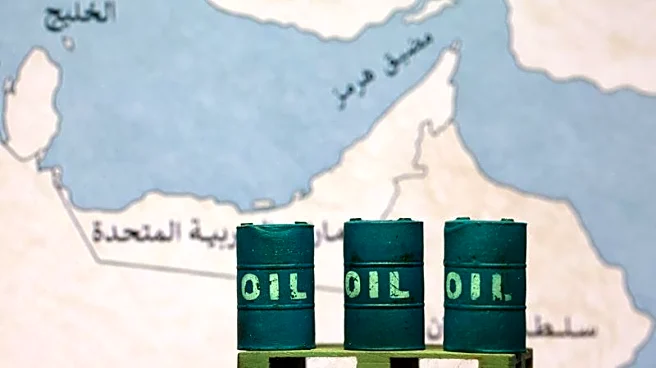
The engagement between China and the Houthis highlights the geopolitical complexities in the Red Sea region, a critical maritime corridor for global energy supplies. The blockade by the Houthis poses a significant threat to international shipping, potentially disrupting oil exports and affecting global energy markets. China's proactive approach to securing its energy imports underscores its strategic interests in the region and its reliance on stable maritime routes. The situation also reflects broader tensions involving Iran, the U.S., and their respective allies, with potential implications for regional stability and international trade. The outcome of these negotiations could influence future diplomatic and economic interactions in the Middle East.
What's Next?
The ongoing negotiations between China and the Houthis are likely to continue as both parties seek to ensure uninterrupted shipping through the Red Sea. The international community, particularly countries reliant on Middle Eastern oil, will be closely monitoring the situation. Potential responses from other stakeholders, including the U.S. and Saudi Arabia, could shape the future security dynamics in the region. Additionally, the Houthis' actions may prompt further diplomatic efforts to address the underlying conflicts and tensions in Yemen and the broader Middle East.