





What's Happening?
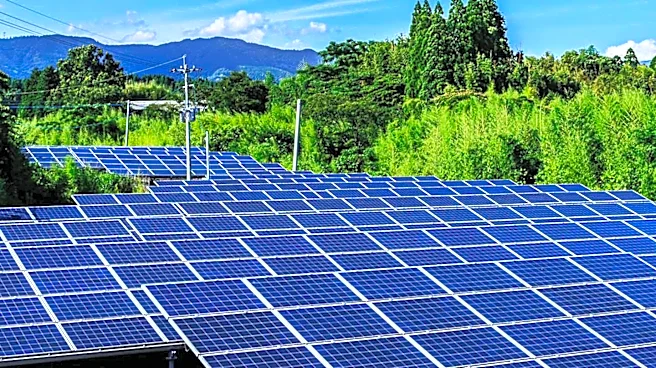
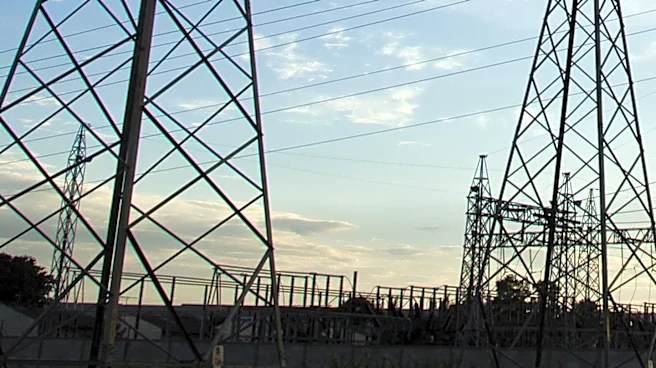
Texas narrowly avoided a blackout during peak energy demand in July, thanks to its extensive solar power infrastructure. The state's electrical grid, managed by the Electric Reliability Council of Texas (ERCOT), faced record energy demands due to high
summer temperatures. Solar power provided a significant buffer, accounting for over 45% of the state's electricity generation at peak times. This development marks a significant shift towards renewable energy in Texas, which has rapidly adopted solar panels and storage batteries to enhance grid reliability.
Why It's Important?
The successful deployment of solar power in Texas highlights the potential of renewable energy to stabilize electrical grids and meet growing energy demands. This shift reduces reliance on fossil fuels and contributes to environmental sustainability. The case of Texas serves as a model for other regions facing similar energy challenges. The transition to renewable energy also has economic implications, potentially reducing energy costs and creating jobs in the renewable sector.
What's Next?
Texas plans to continue expanding its solar infrastructure, with significant investments in solar generation and storage. The state aims to meet increasing energy demands while maintaining grid stability. The success of solar power in Texas could influence energy policies nationwide, encouraging further investment in renewable energy. The ongoing development of solar infrastructure will be crucial in addressing future energy challenges and supporting sustainable growth.