




What's Happening?
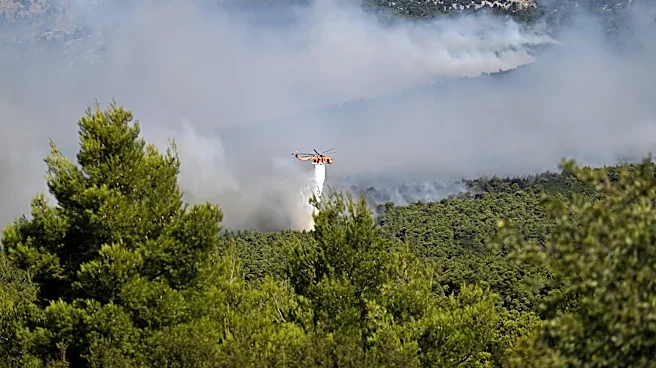
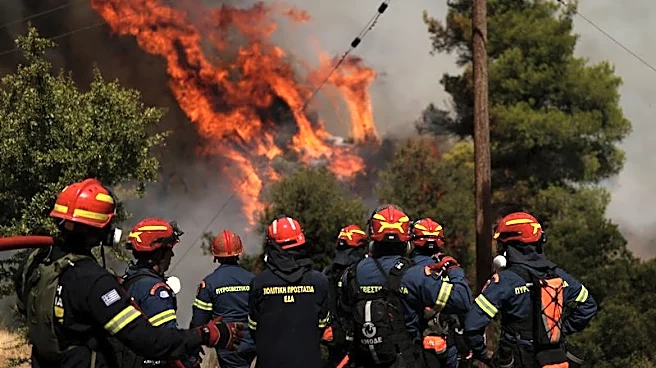
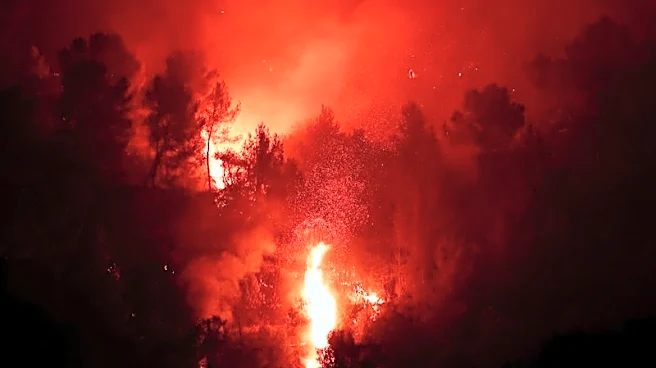
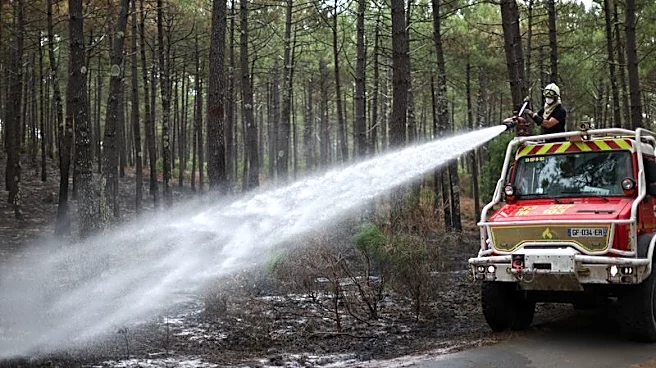
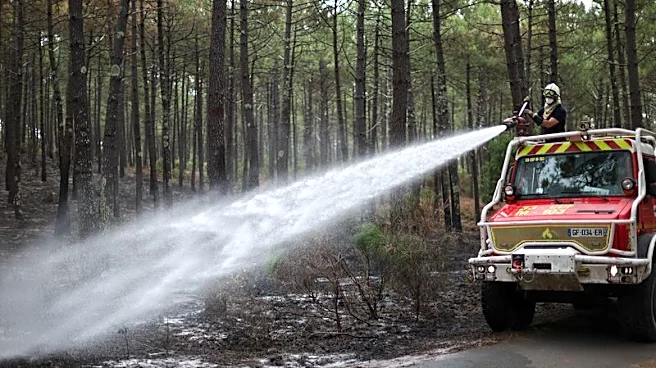
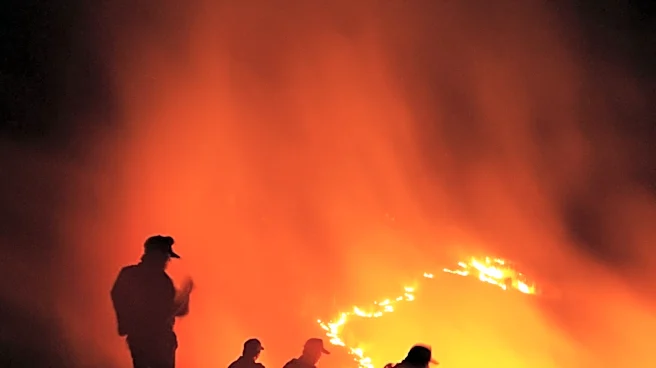
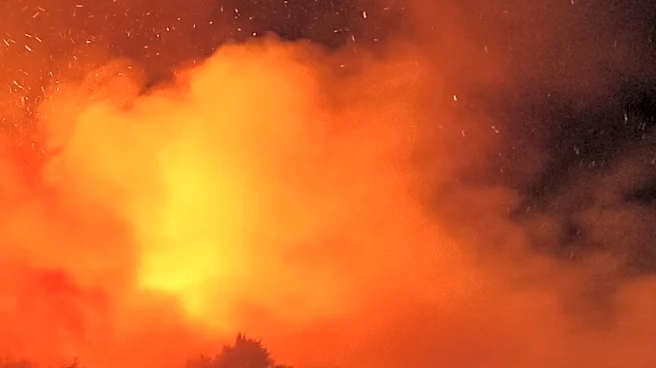
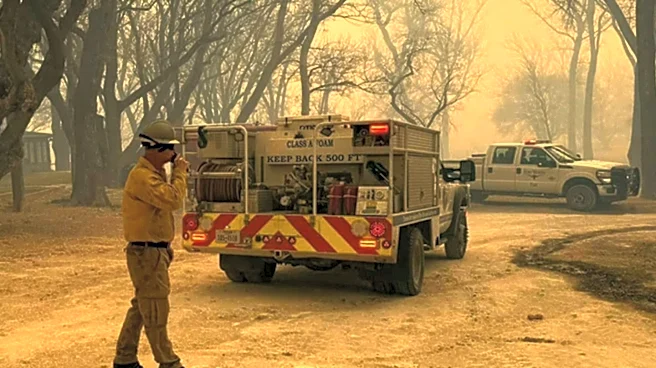
Spain is currently dealing with a series of wildfires across various regions, including Zamora, León, Cáceres, Madrid, and Castellón. The fires have resulted in the evacuation of residents and the burning of thousands of hectares. In Zamora, a fire in Fermoselle
flared up again but was brought under control with the help of aerial firefighting efforts. In León, new outbreaks have been reported, leading to evacuations in some villages. A lorry fire in Cáceres sparked a wildfire, prompting precautionary evacuations. The major fires in the Sierra Oeste region of Madrid and Ávila are under control, while the fire in Castellón has been stabilized. Since the beginning of the year, 186,544 hectares of forest have been burnt in Spain.
Why It's Important?
The wildfires in Spain highlight the ongoing challenges posed by climate change and the increasing frequency of extreme weather events. The destruction of vast areas of forest not only impacts the environment but also poses significant risks to human life and property. The situation underscores the need for effective firefighting strategies and international cooperation in addressing the root causes of such disasters. The economic impact is also considerable, with potential losses in agriculture, tourism, and local economies. The fires serve as a wake-up call for policymakers to prioritize climate action and disaster preparedness.
What's Next?
Efforts to control the wildfires continue, with authorities deploying resources to affected areas. The focus will be on preventing further outbreaks and ensuring the safety of residents. The Spanish government may need to review and enhance its fire management policies and collaborate with other European nations to develop comprehensive strategies for wildfire prevention and response. The situation may also prompt discussions on climate policy and the need for sustainable land management practices.