



What's Happening?
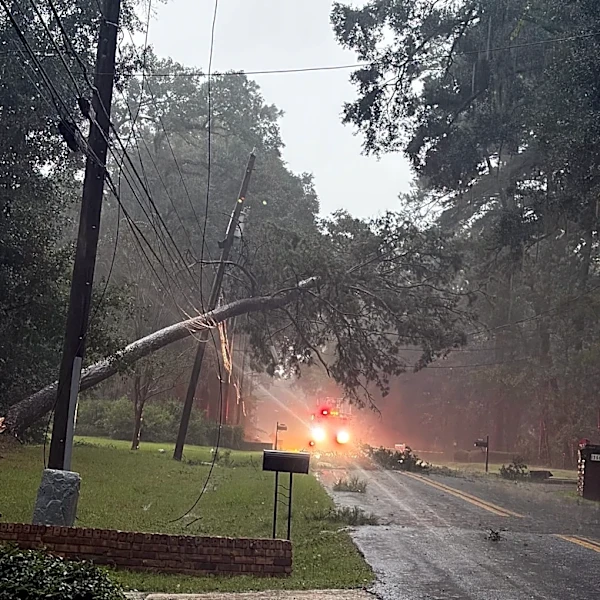
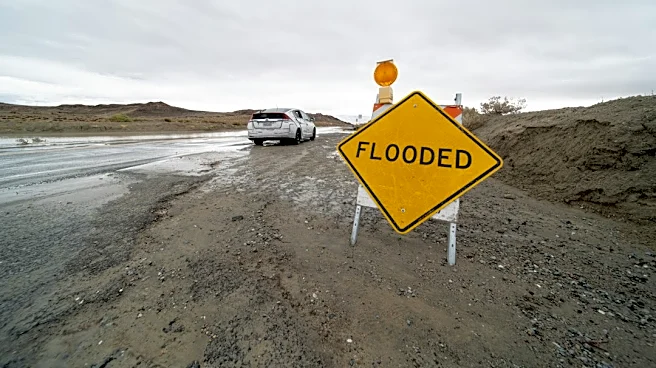
California Governor Gavin Newsom is actively preparing the state for the anticipated impacts of the upcoming El Niño season, which is expected to bring significant winter storms and potential flooding. The state is pre-positioning flood-fighting supplies
and undertaking measures to prepare its water infrastructure. This proactive approach includes efforts to capture stormwater to replenish groundwater basins, with the Department of Water Resources (DWR) hosting webinars to guide local agencies on stormwater capture projects. The State Water Board is also facilitating workshops for recharge permits and flood diversions. Since 2019, the board has allocated over $329 million for stormwater projects, which have contributed to reducing flood risk and augmenting local water supplies. Recent projects include stormwater improvements in Tuolumne County, the Tahoe Valley Stormwater and Greenbelt Improvement Project in South Lake Tahoe, and the Urban Orchard Project in South Gate, all aimed at enhancing stormwater management and groundwater recharge. Governor Newsom's administration has also strengthened flood defenses through investments in infrastructure, such as the Lookout Slough Project in Solano County, which increased flood storage capacity in the Yolo Bypass, and emergency repairs to Delta levees following the 2022 flood. An emergency proclamation has been issued to expedite permitting and support emergency work in coastal communities to prepare for flooding and erosion.
Why It's Important?
The proactive measures taken by Governor Newsom's administration are crucial for mitigating the severe economic and social disruptions that large-scale winter storms and flooding can inflict on California. The state's history of droughts and floods underscores the necessity of robust water management strategies. By investing in stormwater capture and groundwater replenishment, California aims to enhance its long-term water security, which is vital for its agricultural sector, urban populations, and overall economic stability. The agricultural industry, a significant contributor to the state's economy, relies heavily on consistent water supplies, and effective flood control protects valuable farmland and infrastructure. Furthermore, strengthening flood defenses safeguards communities, reduces property damage, and minimizes the need for costly post-disaster recovery efforts. The expedited permitting process for coastal protection reflects an understanding of the immediate threats posed by El Niño, particularly to vulnerable coastal economies and ecosystems. These preparations also highlight a broader strategy to adapt to climate change impacts, ensuring the resilience of California's infrastructure and natural resources against increasingly unpredictable weather patterns.
What's Next?
As the El Niño season approaches, California will continue to implement and monitor its preparedness strategies. Local agencies and water users are expected to engage with the technical guidance and workshops provided by the DWR and State Water Board to maximize stormwater capture and recharge efforts. The effectiveness of the pre-positioned flood-fighting supplies and strengthened infrastructure will be tested as winter storms arrive. Further actions may include continued public awareness campaigns on flood-risk tips and household preparedness, as outlined in Cal OES’s Ready California El Niño preparedness guide. The state will likely assess the performance of its new and upgraded water management projects, such as the Lookout Slough Project and various stormwater initiatives, to inform future investments and policy decisions. The emergency proclamation for coastal communities will remain in effect, allowing for rapid response to erosion and flooding threats. The long-term success of these initiatives will depend on sustained funding, inter-agency coordination, and public cooperation in adapting to the challenges posed by El Niño and climate change.
Beyond the Headlines
Beyond the immediate preparations for winter storms, California's comprehensive approach to El Niño reflects a deeper commitment to sustainable water management and climate resilience. The emphasis on groundwater replenishment addresses the chronic issue of overdrafted aquifers, which has significant long-term implications for the state's water supply and ecological health. The integration of natural solutions, such as greenbelts and permeable surfaces in urban areas, demonstrates a shift towards ecological engineering that not only manages water but also enhances biodiversity and urban green spaces. This holistic strategy acknowledges the interconnectedness of water resources, urban development, and environmental protection. The state's efforts also highlight the complex interplay between state-level policy and local implementation, as the success of these initiatives relies on the active participation of local agencies and communities. Furthermore, the proactive stance against climate-induced weather extremes positions California as a leader in developing adaptive strategies that could serve as models for other regions facing similar environmental challenges, fostering a broader dialogue on national and international climate adaptation efforts.