




What's Happening?
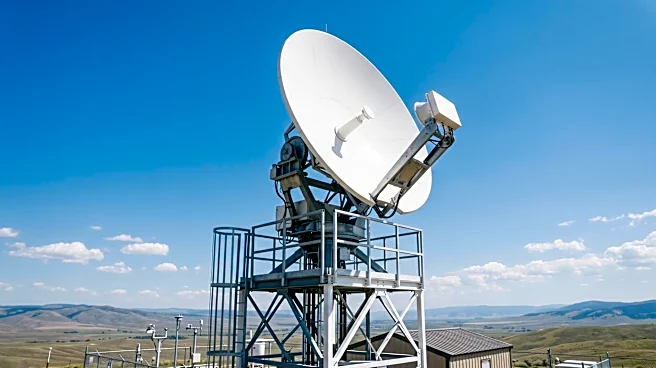
The National Weather Service (NWS) issued a clarification on Friday, asserting that its radar system is operating normally and pushing back against reports of a nationwide outage. The NWS stated via a post on X that 'there is no radar outage and radar.weather.gov
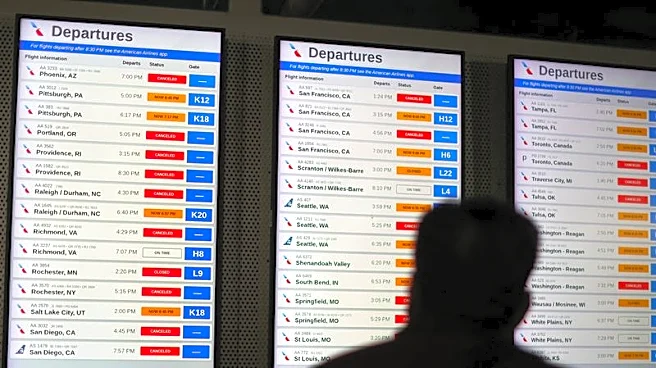
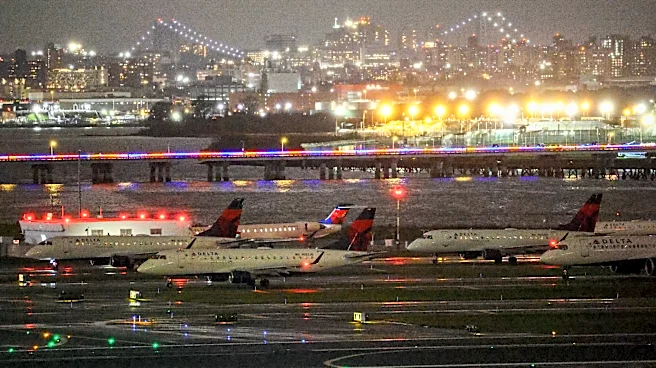
is fully operational!' The agency explained that outdated information from isolated webpages had been circulating, leading to confusion, but confirmed that NWS radars were functioning. This clarification followed attention to NWS webpages, including one from its Los Angeles office, which had notices warning of nationwide internet and communications issues that could render weather products unavailable or outdated. The NWS statement specifically addressed radar operations and the radar.weather.gov website, but did not detail the origin of the outdated webpage content. This situation occurred as the Federal Aviation Administration (FAA) was dealing with a separate nationwide communications problem that halted departures at U.S. airports, though a connection between the two issues was not immediately clear.
Why It's Important?
The NWS clarification is crucial for maintaining public trust and ensuring accurate dissemination of critical weather information. Misinformation about a nationwide radar outage could lead to unnecessary public alarm or, conversely, a false sense of security if people believe weather monitoring systems are down. Reliable radar data is fundamental for forecasting severe weather events, guiding emergency responses, and ensuring the safety of air and ground transportation. The incident highlights the challenges government agencies face in managing information during technical glitches and the potential for isolated webpage errors to create widespread confusion. The concurrent FAA issue underscores the fragility of interconnected national communication systems and the potential for cascading impacts on essential services, even if unrelated.
What's Next?
The NWS will likely continue to monitor its web presence to prevent the recurrence of outdated information causing public confusion. Efforts may be made to identify the source of the isolated webpage errors and implement measures to ensure consistent and accurate information across all platforms. The agency may also review its internal communication protocols for addressing and correcting misinformation swiftly. While the radar system is confirmed operational, the broader context of nationwide communication issues, including those affecting the FAA, may prompt a review of national infrastructure resilience and inter-agency coordination during such events. The public should continue to rely on official NWS channels for the most current weather information.
Beyond the Headlines
This event touches upon the broader issue of information integrity in the digital age, particularly for critical public services. The rapid spread of potentially outdated information, even from official sources, underscores the need for robust content management systems and clear communication strategies during technical difficulties. Ethically, government agencies have a responsibility to provide accurate and timely information, and any perceived failure can erode public confidence. Legally, the dissemination of incorrect information, even inadvertently, could have implications if it leads to harm. Culturally, the incident reflects a growing public reliance on instant digital updates, making any disruption or misinformation particularly impactful. It also highlights the importance of media literacy, as the public must discern official clarifications from initial, potentially erroneous reports.