


What's Happening?
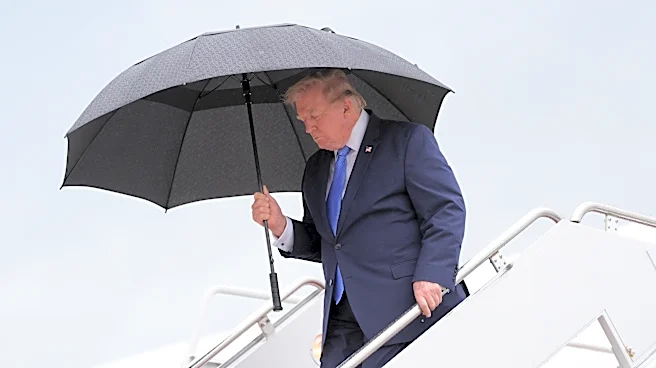
Recent reports have highlighted concerns over President Trump's alleged corruption during his presidency, particularly focusing on his use of the social media platform Truth Social to potentially manipulate markets for personal gain. The controversy centers
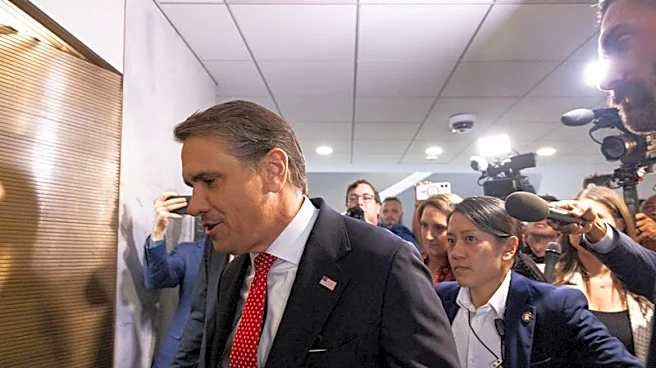
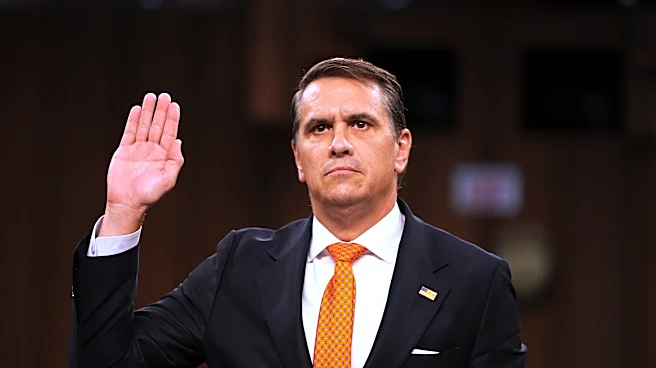
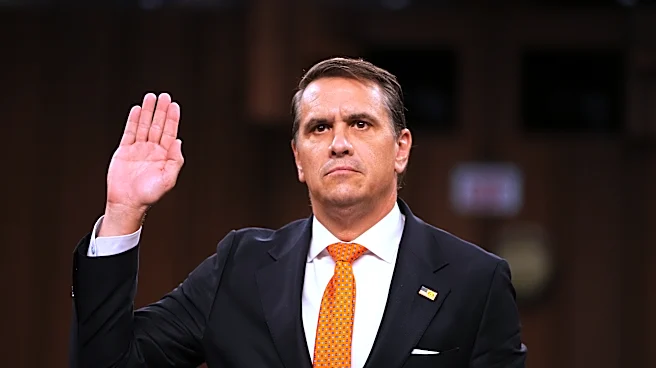
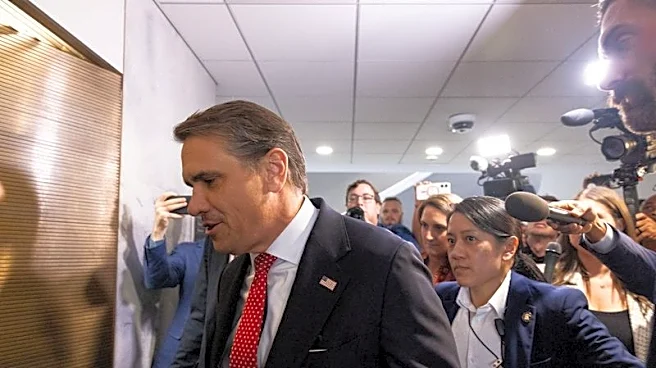
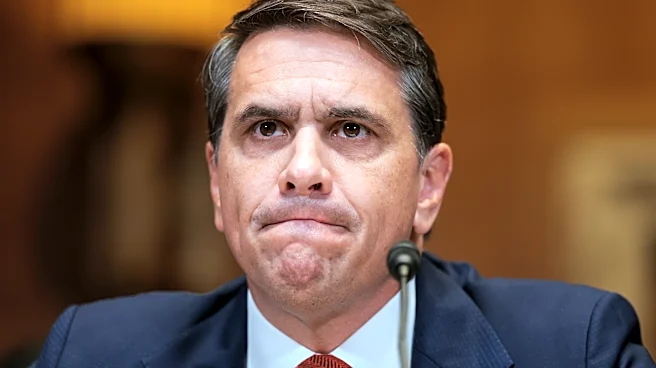
around a proposed $1.8 billion slush fund intended for individuals claiming malicious prosecution by the Department of Justice, such as January 6 rioters. This fund has been used as a cover for a more controversial deal granting President Trump permanent immunity from IRS investigations, despite longstanding suspicions of tax evasion. Senate Republicans have played a role in delaying the nomination of Todd Blanche for attorney general until assurances were made that the slush fund would not proceed. However, the IRS immunity deal remains intact, receiving less media attention compared to the slush fund.
Why It's Important?
The implications of these developments are significant for U.S. politics and public trust in government. The alleged corruption and immunity deal could undermine the integrity of the presidency and the justice system, potentially eroding public confidence in political accountability. If true, these actions could set a precedent for future leaders, suggesting that political figures can evade legal scrutiny. The situation also highlights the challenges faced by the Democratic Party in addressing these issues, as they currently lack the power to take official action against President Trump. This scenario underscores the importance of political oversight and the need for transparency in government dealings.
What's Next?
As the situation unfolds, it is likely that the Democratic Party will continue to strategize on how to address these allegations effectively. With the upcoming elections, Democrats may focus on these issues as part of their campaign to regain control of Congress. Public and media scrutiny may increase, potentially leading to further investigations or legislative actions aimed at curbing such practices. The response from Republican leaders and their willingness to address these concerns will also play a crucial role in shaping the political landscape.
Beyond the Headlines
The broader implications of this situation extend to the ethical standards expected of public officials. The perception of invulnerability and the normalization of alleged corrupt practices could have long-term effects on political culture in the U.S. It raises questions about the effectiveness of current checks and balances and the role of media in holding leaders accountable. Additionally, it highlights the potential impact of social media platforms in influencing political and economic outcomes, calling for a reevaluation of their regulation and oversight.