
What's Happening?
Iran is facing potential medical supply shortages due to ongoing conflict and international sanctions. The United Nations has warned that the war's impact could be felt for years, with critical supplies
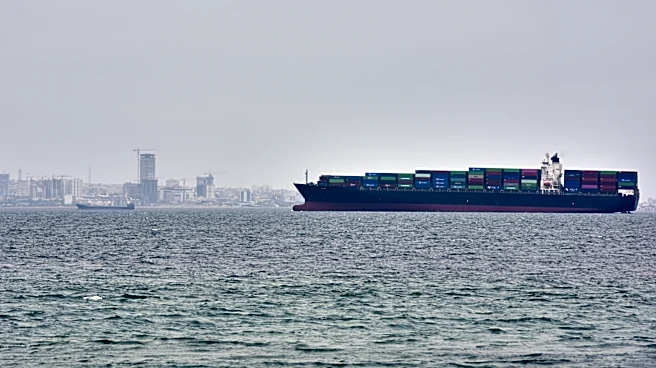
like hypertension and chemotherapy drugs already in short supply. The blockade of the Strait of Hormuz has further disrupted supply chains, exacerbating the situation. Iran has begun importing aid, with the Red Cross delivering medical supplies from Turkey. However, the regime's historical disregard for civilian suffering suggests that shortages may not prompt a change in policy.
Why It's Important?
The medical shortages in Iran highlight the humanitarian impact of prolonged conflict and sanctions. The lack of essential medical supplies could lead to increased civilian suffering and mortality. This situation underscores the broader consequences of geopolitical tensions on ordinary citizens. The potential for renewed protests in Iran, driven by shortages of medicine, food, and electricity, could further destabilize the region. The international community, including humanitarian organizations, may need to increase aid efforts to mitigate the crisis.
What's Next?
If the conflict continues, Iran may face worsening shortages, prompting potential civil unrest. The regime's response to these challenges will be critical in determining the country's stability. International diplomatic efforts may focus on easing humanitarian impacts while maintaining pressure on the Iranian government. The situation could also influence global perceptions of the conflict and the role of sanctions in international policy.