




What's Happening?
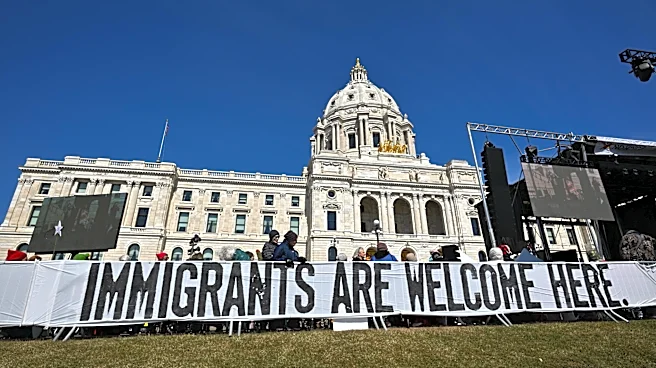
Minnesota officials have initiated an investigation into the actions of Immigration and Customs Enforcement (ICE) officers who detained ChongLy 'Scott' Thao, a naturalized U.S. citizen, in his underwear. The incident, which occurred on January 18, involved
Thao being forcibly removed from his home in sub-freezing temperatures, handcuffed, and questioned for about an hour before being returned home. Ramsey County Attorney John Choi and Sheriff Bob Fletcher are seeking more information from the Department of Homeland Security (DHS) regarding the incident, which they are examining as a potential case of kidnapping, burglary, and false imprisonment. The arrest was part of 'Operation Metro Surge,' a broader immigration enforcement initiative. Thao, who was born in Laos, reported being arrested at gunpoint without explanation or apology, raising concerns about the legality of ICE's actions.
Why It's Important?
This incident highlights significant concerns about the conduct of federal law enforcement agencies, particularly in the context of immigration enforcement under President Trump's administration. The case raises questions about the potential overreach of ICE's authority and the protection of constitutional rights for U.S. citizens. The investigation could have broader implications for federal immigration policies and practices, potentially influencing public perception and policy reform. It underscores the tension between local and federal authorities regarding immigration enforcement and civil liberties, with potential impacts on community trust and cooperation with law enforcement.
What's Next?
The investigation by Minnesota officials is ongoing, with authorities seeking additional facts from DHS. The outcome could lead to legal actions or policy changes, depending on the findings. Public and political reactions may influence future immigration enforcement strategies and oversight. The case may also prompt discussions on the balance between national security and individual rights, potentially affecting future legislative or judicial actions regarding immigration enforcement practices.