






What's Happening?
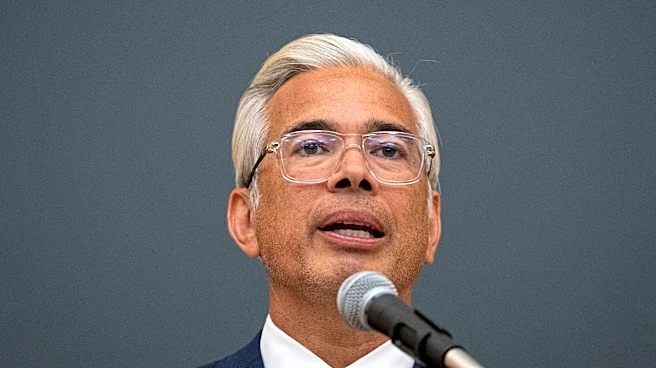
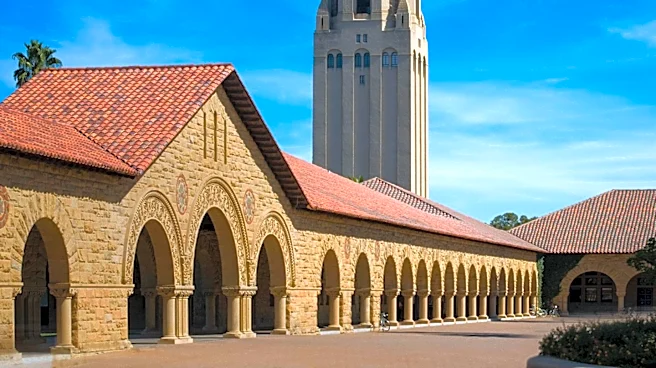
California Attorney General Rob Bonta has reached a pretrial diversion agreement with five pro-Palestinian Stanford University protesters, dropping felony charges against them. The protesters were involved in a 2024 incident where they broke into the university
president’s office to demand divestment from companies tied to the Israeli government. Initially, 12 individuals were charged with felony vandalism and felony conspiracy to trespass, with prosecutors alleging they spray-painted the building, broke windows, disabled security cameras, and splattered red liquid described as fake blood. Under the new agreement, the five remaining defendants will pay Stanford $51,973 for damages, a significant reduction from the initial estimate of $360,000 to $1 million, and complete 100 hours of community service each. Three other defendants had settled their cases earlier, and four entered diversion programs. A previous trial for the five resulted in a mistrial due to a hung jury, and the case was transferred to AG Bonta after concerns about the Santa Clara County District Attorney Jeff Rosen's fundraising activities related to the matter.
Why It's Important?
This decision by California AG Rob Bonta is important as it sets a precedent for how legal systems handle politically motivated protests on U.S. college campuses, particularly those involving property damage. The reduced charges and financial penalties, compared to initial estimates, could influence future responses to similar demonstrations. Critics, such as the Jewish Community Relations Council of the Bay Area and Jewish Silicon Valley, argue that the deal sends a "troubling message" that politically motivated destruction carries minimal legal consequences, potentially emboldening future acts of vandalism in the name of protest. Conversely, supporters of the protesters may view this as a more equitable outcome, acknowledging the political motivations behind the actions while still requiring accountability. The case highlights the ongoing tension between free speech rights and the legal boundaries of protest, especially in the context of highly charged international conflicts like the Israeli-Palestinian conflict, which has spurred widespread activism across U.S. universities.
What's Next?
The resolution of this case through a pretrial diversion agreement means the five Stanford protesters will avoid potential prison sentences of up to three years. They are now required to fulfill their community service hours and pay the agreed-upon restitution to Stanford University. The university has stated it will not challenge the outcome, respecting the integrity of the justice system. However, the broader implications for campus protest policies and legal responses to activism remain to be seen. This agreement could influence how other universities and legal authorities approach similar incidents, potentially leading to more diversion programs or negotiated settlements rather than pursuing full felony prosecutions. Stakeholders on both sides of the issue will likely monitor future protest-related legal actions to see if this case establishes a new norm for addressing campus activism and property damage.
Beyond the Headlines
The resolution of the Stanford protest case delves into deeper societal questions regarding the balance between freedom of expression, civil disobedience, and the rule of law. The significant reduction in estimated damages and the shift from felony charges to a diversion program suggest a nuanced approach to justice, acknowledging the political context of the actions while still imposing consequences. This case also highlights the ethical considerations surrounding the prosecution of student activists, particularly when their actions are driven by deeply held beliefs about international human rights. The timing of the announcement on Yom Kippur, as noted by Jewish community groups, adds a layer of cultural sensitivity concerns, underscoring the complex interplay of political, legal, and cultural factors in such high-profile cases. The outcome may contribute to ongoing debates about the appropriate legal and institutional responses to student activism, potentially influencing how universities and legal systems navigate future protests and their associated damages.