






What's Happening?
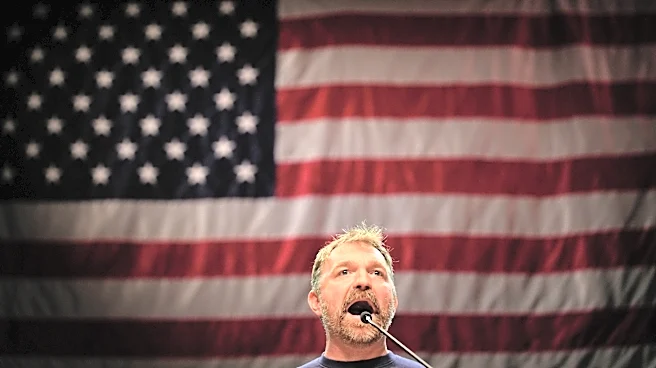
Graham Platner, a Democratic candidate for the U.S. Senate from Maine, is embroiled in controversy following allegations from his ex-girlfriend, Lyndsey Fifield, that he knowingly had a 'Totenkopf' tattoo, a symbol associated with Nazi SS death squads.
Platner has previously claimed ignorance of the tattoo's meaning, stating he believed it to be a generic skull and crossbones. However, Fifield alleges that Platner was aware of its significance and that he and his Marine unit chose it deliberately. Platner's campaign has denied these claims, asserting that he plans to remove the tattoo.
Why It's Important?
This controversy could significantly impact Platner's Senate campaign, as it raises questions about his judgment and past actions. The allegations come at a critical time, potentially affecting his support among voters and endorsements from prominent political figures. The situation highlights the broader issue of accountability and transparency in political campaigns, where personal histories can influence public perception and electoral outcomes. For Platner, addressing these allegations is crucial to maintaining his candidacy's viability.
What's Next?
Platner's campaign will likely focus on damage control, addressing the allegations and attempting to reassure voters and political allies. The controversy may prompt further scrutiny of his past and campaign conduct, potentially leading to additional revelations. Platner's response to these challenges will be critical in determining his campaign's trajectory and his ability to retain support from key stakeholders. The situation underscores the importance of crisis management in political campaigns, where swift and effective responses can mitigate negative impacts.