
What's Happening?
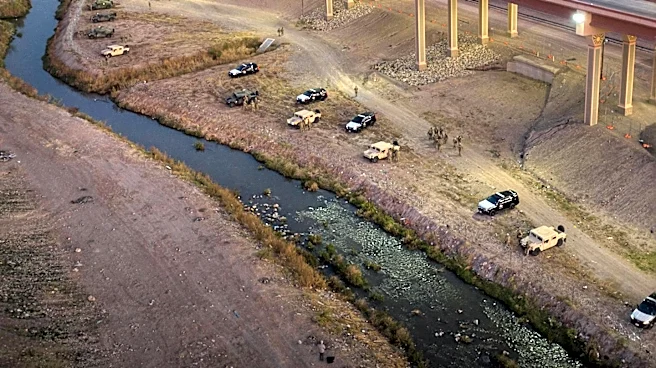
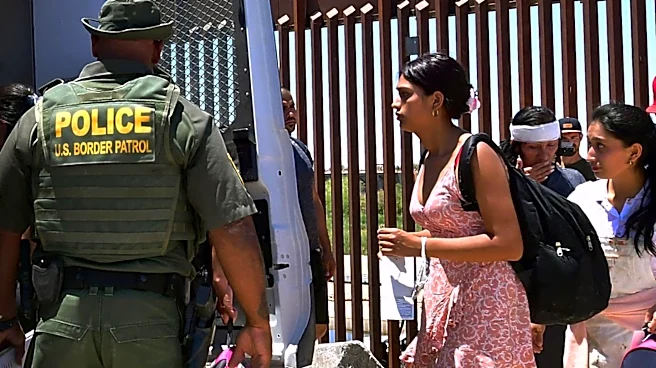
The Department of Homeland Security (DHS) has released new data indicating a significant increase in immigration enforcement activities within the United States. The data, published on July 20, 2026, reveals
that Immigration and Customs Enforcement (ICE) arrests have reached record levels under Secretary Markwayne Mullin. This increase follows a period of heightened scrutiny and criticism of the agency, particularly after fatal shootings in Texas and Maine brought ICE's operations into the national spotlight. The data shows a notable rise in the number of detainees without criminal records, which now constitute 37% of the detained population, up from 6% in January 2025. The release of this data comes after a three-month delay, the longest in recent history, raising concerns about transparency and accountability in immigration enforcement.
Why It's Important?
The increase in immigration arrests and the growing number of detainees without criminal records highlight significant shifts in U.S. immigration policy under President Trump's administration. This development has implications for public policy and civil rights, as it raises questions about the fairness and effectiveness of current enforcement strategies. The delay in data release and the lack of transparency have drawn criticism from policy analysts and advocacy groups, who argue that more frequent and detailed reporting is necessary for accountability. The situation underscores the ongoing debate over immigration policy in the U.S., with potential impacts on communities, law enforcement practices, and the broader political landscape.
What's Next?
In response to the recent controversies, the White House has announced that ICE officers will be required to use body cameras during vehicle stops, a move aimed at increasing transparency and accountability. This policy change follows public outcry over the lack of body camera footage in recent incidents. Additionally, DHS is expected to face continued pressure to provide more comprehensive and timely data on immigration enforcement activities. Stakeholders, including policymakers, advocacy groups, and the public, will likely continue to scrutinize the administration's immigration policies and their implementation.