


What's Happening?
Senator Tim Kaine, a Democrat from Virginia, is actively pursuing a war powers resolution aimed at restricting the President's ability to engage in military actions without Congressional approval. This initiative comes in response to the U.S. military's
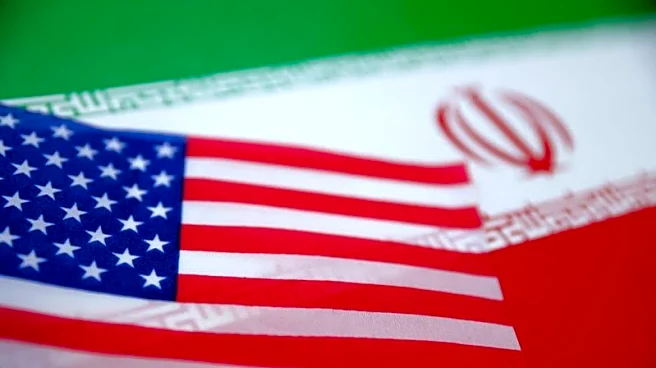
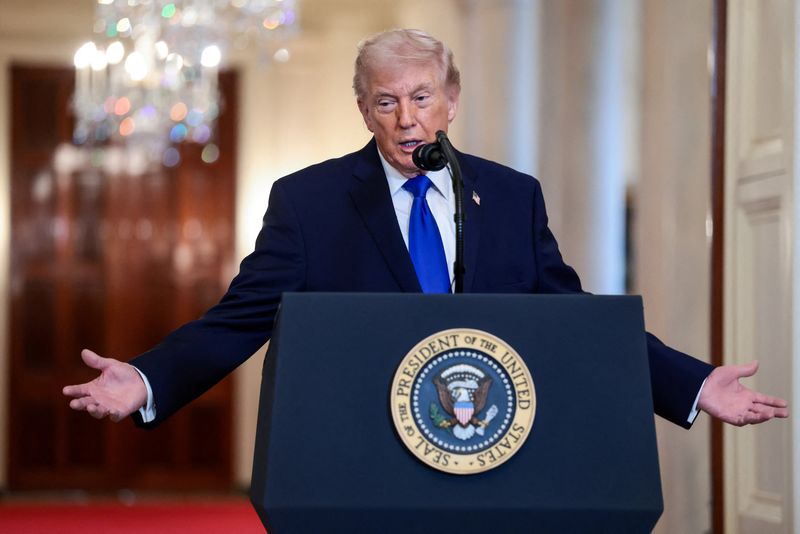
increased presence in the Middle East, particularly concerning potential strikes on Iran. The U.S. Constitution grants Congress the authority to declare war, yet historically, presidents have often bypassed this requirement, as seen with President Trump's previous airstrikes on Iran's nuclear sites. Despite past efforts to reclaim Congressional authority over military engagements, these attempts have largely been unsuccessful during the Trump administration. Senator Kaine's resolution seeks to reassert Congressional oversight and prevent unilateral military decisions by the President.
Why It's Important?
The push for a war powers resolution is significant as it addresses the balance of power between the legislative and executive branches of the U.S. government. By advocating for Congressional oversight, Senator Kaine aims to ensure that decisions involving military force are subject to broader democratic scrutiny and debate. This move could potentially alter the way military engagements are authorized, impacting U.S. foreign policy and military strategy. If successful, it would limit the President's ability to unilaterally commit U.S. forces to conflicts, thereby involving Congress more directly in decisions that could lead to war. This could lead to more cautious and deliberative military actions, affecting international relations and the U.S.'s role on the global stage.
What's Next?
The next steps involve Senator Kaine continuing to rally support for his resolution within Congress. This may involve negotiations and discussions with fellow lawmakers to build a coalition that supports reasserting Congressional authority over military actions. The resolution's progress will depend on the political climate and the willingness of Congress to challenge the executive branch's current military powers. If the resolution gains traction, it could lead to legislative debates and votes that may redefine the scope of presidential military authority. The outcome will likely influence future U.S. military engagements and the legislative-executive power dynamic.