




What's Happening?
The Houthis, a Yemeni rebel group, are currently maintaining a ceasefire with Saudi Arabia despite escalating threats from Iran. The Iranian leadership, particularly figures associated with the IRGC, have been making threats to pressure the United States
to ease its blockade on Iranian ports. These threats include potential attacks on undersea cables and Saudi oil infrastructure if the ceasefire breaks down. The Houthis, led by Abdul-Malik Al Houthi, have expressed readiness to resume attacks in the Red Sea but are currently focused on the Palestinian issue and maintaining the ceasefire established in March 2022. This ceasefire aims to create an environment conducive to a final settlement of the conflict that began in 2015. The Houthis have conducted demonstration attacks on Israel, which were intercepted, but have not escalated further. Meanwhile, Saudi Arabia is reinforcing its forces on the Yemeni border, with support from Qatari military operations.
Why It's Important?
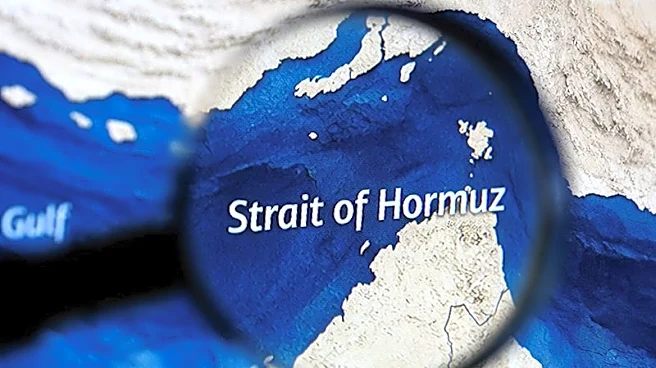
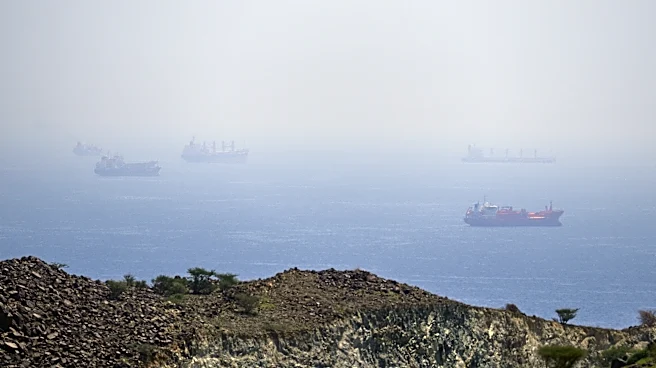
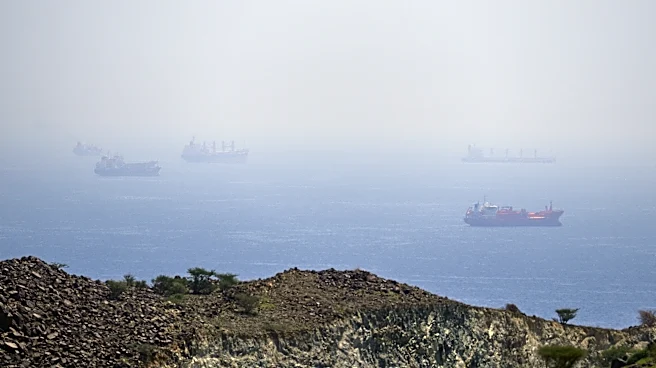
The situation is significant as it highlights the fragile balance of power in the Middle East and the potential for conflict escalation. The Houthis' decision to maintain the ceasefire is crucial for regional stability, particularly in the Red Sea, a vital route for global oil shipments. Any disruption could have significant economic repercussions, affecting oil prices and global markets. The involvement of Iran and its threats to expand the conflict underscore the geopolitical tensions in the region, with potential implications for U.S. foreign policy and military strategy. The U.S. presence in the region, including the USS Gerald R. Ford carrier strike group, indicates the strategic importance of maintaining open shipping lanes and deterring aggression.
What's Next?
The future of the ceasefire and regional stability depends on several factors, including the actions of the Houthis and the response of Saudi Arabia and its allies. The Houthis' restraint is critical, but any provocation could lead to renewed hostilities. The U.S. and Saudi Arabia are likely to continue their military preparedness to deter any escalation. Additionally, diplomatic efforts may be necessary to address the underlying issues and prevent further conflict. The international community will be watching closely, as any significant disruption in the region could have far-reaching consequences.