





What's Happening?
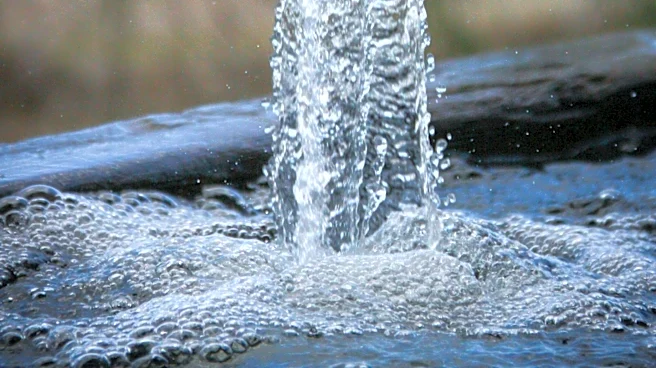
The Poland Spring bottling company is seeking to renew its water extraction permit in Denmark, Maine, for another five years, allowing it to pump up to 432,000 gallons per day or 105.1 million gallons annually from its Cold Spring site. This marks the fifth
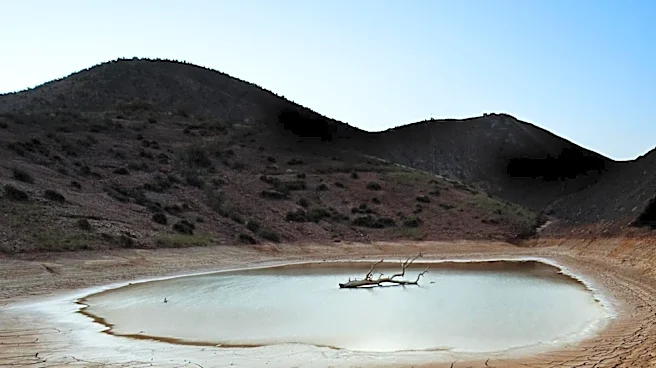
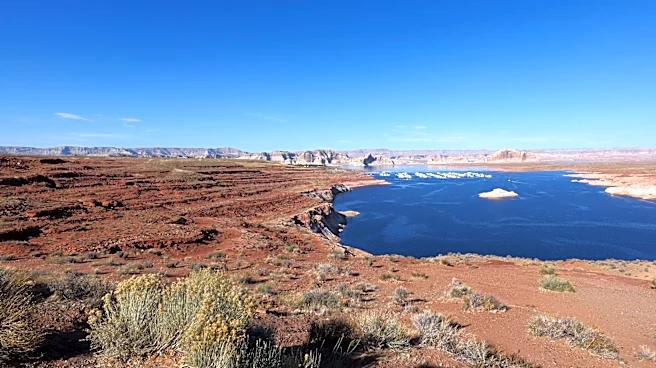
renewal request since the original permit was granted in 2005. The request comes a year after Denmark experienced a severe and persistent drought, leading to concerns among local residents. During a public hearing, residents informed the Select Board that several local wells are running dry and Long Pond, a spring-fed body of water, remains several feet below its normal level, leaving some homeowners' docks stranded. Residents also highlighted that Poland Spring's monitoring gauges are now 10 feet from the pond, suggesting they are no longer accurately measuring water levels. Laurie LaMountain, a member of the town’s water extraction review committee, stated that an extensive aquifer assessment, mandated every 10 years by the large-scale water extraction ordinance, is overdue, with the last one conducted in 2008. Poland Spring's current permit is set to expire at the end of the year.
Why It's Important?
This situation highlights the growing tension between corporate water extraction practices and local community concerns, particularly in the face of climate change and increased drought frequency. The debate in Denmark, Maine, underscores the vulnerability of local water resources and the potential impact on residential wells and natural bodies of water. For residents, the issue is one of direct impact on their property values, access to water, and the ecological health of their community. The company's assertion that its pumping operations have no direct relationship with Long Pond's water levels, despite residents' observations and claims of U.S. Geological Survey findings, raises questions about the transparency and adequacy of environmental impact assessments. The outcome of this permit renewal could set a precedent for how water-intensive industries operate in drought-prone regions and how local ordinances are enforced to protect community resources. It also brings to light the economic disparity, as the town of Denmark does not receive compensation for the extracted water, while Poland Spring's parent company, Blue Triton, reported over $6.6 billion in sales.
What's Next?
The Denmark Select Board will need to decide on Poland Spring's permit renewal request. Residents are advocating for a more extensive assessment of the aquifer and potentially a reduction in pumping during drought conditions. The town's recently approved large-scale water extraction ordinance, which grants the town more power to reduce or halt pumping when aquifer levels drop, could play a significant role. There is also a dispute regarding whether the new ordinance applies to Poland Spring as a new applicant, given its parent company's merger with Primo Brands, which would trigger a more stringent review process. The company maintains that the new ordinance does not apply to it. The community's push for stricter regulations and more thorough environmental reviews suggests that the decision will likely face continued scrutiny and potentially further legal or administrative challenges, depending on the outcome. The expiration of the current permit at the end of the year necessitates a timely resolution.
Beyond the Headlines
The conflict in Denmark, Maine, reflects a broader national and global challenge concerning water rights, corporate responsibility, and environmental stewardship. As climate change intensifies, water scarcity is becoming a more pressing issue, leading to increased scrutiny of large-scale water extraction operations. This case highlights the power imbalance between multinational corporations and small communities, where economic benefits like property taxes and community contributions are weighed against environmental and social costs. The residents' call for updated aquifer assessments and the debate over the applicability of new ordinances underscore the need for robust regulatory frameworks that can adapt to changing environmental conditions and corporate structures. This situation could influence other communities facing similar challenges, prompting them to adopt more protective water extraction ordinances and demand greater accountability from companies utilizing local natural resources. The concept of 'captive tenancy' in relation to water resources, where communities feel powerless against corporate actions, is a critical underlying theme.