





What's Happening?
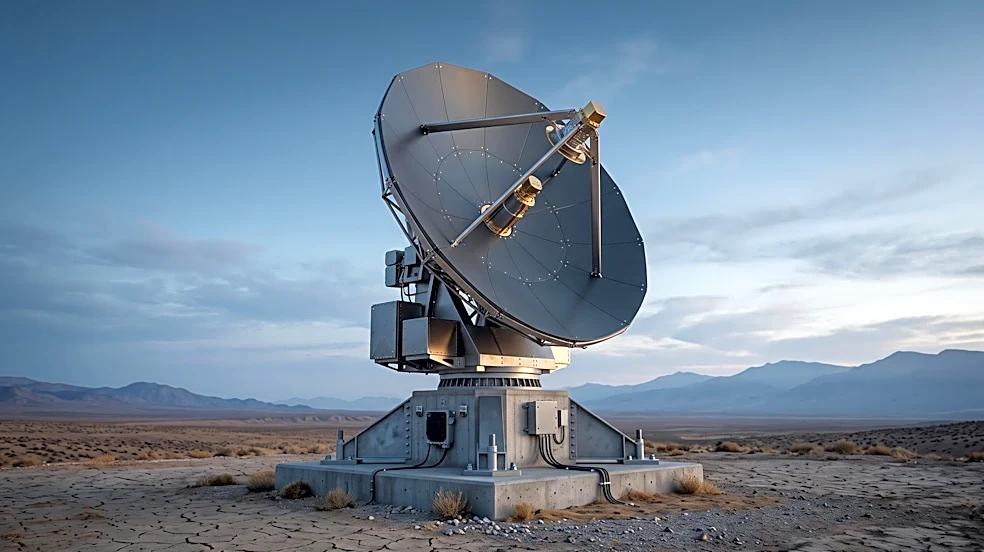
Space Forces Central (SPACECENT), the U.S. Space Force component to U.S. Central Command, is projected to increase its personnel fivefold in the coming years. Activated in December 2022 with approximately 30 staff members split between Shaw Air Force Base,
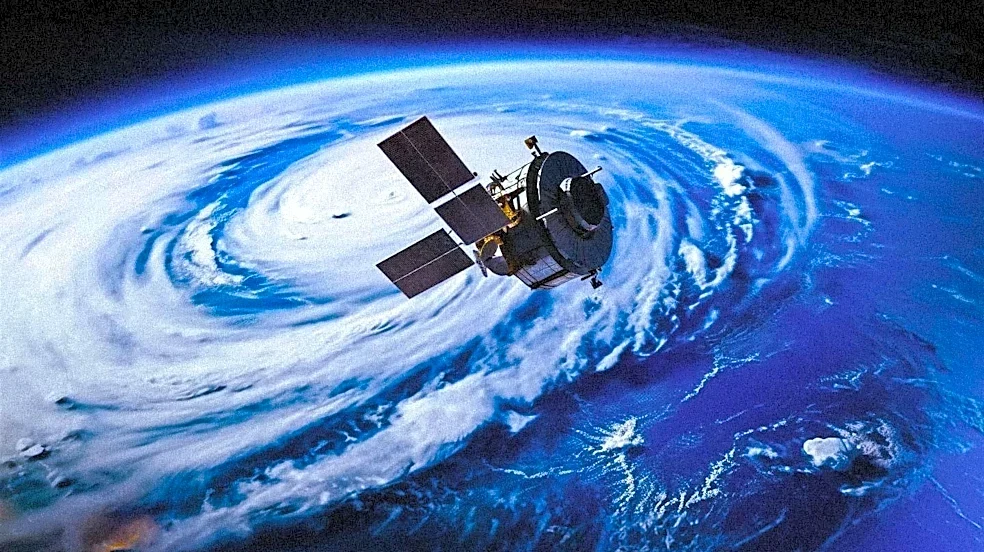
S.C., and Al Udeid Air Base, Qatar, SPACECENT has played a significant role in operations against Iran. Brig. Gen. Todd Benson, SPACECENT commander, emphasized the necessity of this growth to meet the military's demand for space capabilities in the Middle East. The Space Force has also recently established U.S. Space Forces Special Operations (SPACEFOR-SOC), its newest component, tasked with providing specialized space expertise to commanders in the field. These components are crucial for delivering space effects such as electronic warfare, satellite communications, navigation, timing, and missile warning. Balancing daily headquarters needs with deployed forces remains a challenge due to the small size of these components.
Why It's Important?
The anticipated fivefold growth of Space Forces Central underscores the increasing reliance of U.S. military operations on space capabilities, particularly in volatile regions like the Middle East. This expansion is vital for presenting combat-credible forces and leading joint forces effectively, as highlighted by Brig. Gen. Todd Benson. The Space Force's role extends to critical 'no-fail' missions, including managing the Global Positioning System (GPS) for billions of users, protecting military satellite communications, and detecting ballistic missile launches worldwide. The growth of SPACECENT and the establishment of SPACEFOR-SOC signify a strategic shift towards integrating space expertise directly into combatant commands, ensuring that space effects are seamlessly incorporated into military planning and execution. This development is crucial for maintaining U.S. technological and strategic superiority in space, which is increasingly becoming a contested domain.
What's Next?
In the next few years, Space Forces Central expects to significantly expand its personnel to achieve a more robust 'steady-state' headquarters staff, comparable to other service components, albeit on a smaller scale due to the Space Force's overall size. A key priority for Brig. Gen. Todd Benson is building SPACECENT's team of intelligence professionals to enhance inputs into the joint force's targeting processes. This expansion will address the current challenge of having limited Guardian representation in critical planning stages. The Space Force will continue to integrate its components within every geographic combatant command, ensuring that space expertise is readily available to commanders. The ongoing operations in the Middle East will likely continue to drive the demand for increased space capabilities and personnel, solidifying space as an indispensable element of future military operations.
Beyond the Headlines
The expansion of Space Forces Central and the establishment of new components like SPACEFOR-SOC reflect a broader recognition within the U.S. military of space as a critical warfighting domain. This evolution moves beyond simply using space for support functions to actively employing space weapons and conducting orbital warfare, as evidenced by units like the 1st Space Operations Squadron. The challenges faced by these small but impactful units, such as balancing headquarters staff with deployed forces and operating legacy hardware, highlight the need for sustained investment and strategic planning. The increasing orbital presence of adversaries, particularly the People's Republic of China, further emphasizes the urgency of strengthening U.S. space capabilities. This strategic imperative extends to ensuring the resilience of space systems against potential attacks and addressing personnel shortages in highly technical fields, underscoring the long-term implications for national security and global commerce.