








What's Happening?
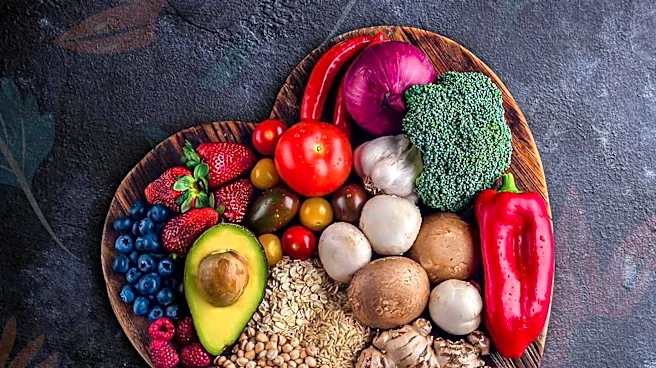
A recent study conducted by researchers at the USC Norris Comprehensive Cancer Center suggests that young Americans under 50 who do not smoke but consume a diet rich in fruits, vegetables, and whole grains may face an increased risk of developing lung
cancer. The study highlights the potential role of pesticide residues on these foods as a contributing factor. Participants in the study reported consuming more servings of dark green vegetables, legumes, and whole grains than the average American. Despite the traditionally healthy nature of these foods, the research indicates a possible link between pesticide exposure and lung cancer in this demographic. The study also found that young women who do not smoke are diagnosed with lung cancer at a higher rate than their male counterparts, and they tend to consume more fruits and vegetables.
Why It's Important?
This study challenges the conventional understanding of a healthy diet by suggesting that pesticide residues on fruits and vegetables could pose a cancer risk, particularly for young non-smokers. The findings could have significant implications for public health recommendations and dietary guidelines, potentially prompting a reevaluation of the safety of non-organic produce. If further research confirms these findings, it could lead to increased demand for organic produce and stricter regulations on pesticide use. The study also underscores the need for more comprehensive research into environmental factors contributing to lung cancer, which could ultimately influence cancer prevention strategies and public health policies.
What's Next?
Researchers plan to conduct further studies to directly measure pesticide levels in patients through blood or urine samples to confirm the link between pesticide exposure and lung cancer. These future studies aim to identify modifiable environmental factors that contribute to lung cancer in young adults. The outcomes could guide public health recommendations and inform future investigations into lung cancer prevention. Additionally, there may be increased advocacy for policy changes regarding pesticide regulations and labeling requirements for produce.