





What's Happening?
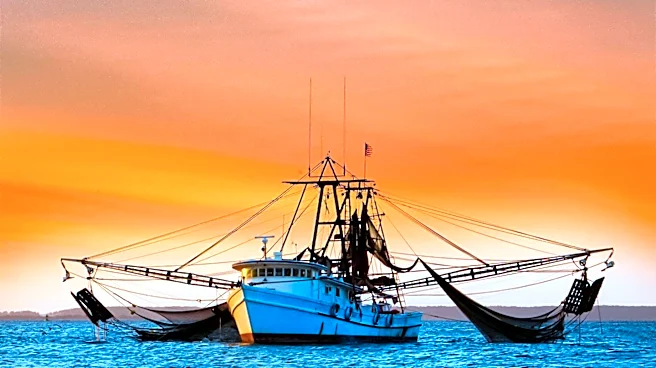
The Antarctic krill fishery operated by Aker QRILL Company (AQC), a supplier for Aker BioMarine, has been recertified to the Marine Stewardship Council (MSC) Fisheries Standard. This marks a continuous certification for the fishery since it first achieved
MSC status in 2010. The reassessment, conducted by independent conformity assessment body LRQA, began in spring 2025 and concluded with a recommendation for certification in February 2026. The process involved independent peer review, public consultation, and an investigation into formal objections raised by two non-governmental organizations (NGOs). Assurance Services International (ASI), the independent body overseeing MSC assessors, published its final report on November 6, 2026, confirming the fishery's eligibility for recertification. The certification is valid for five years, with annual independent audits. The assessment highlighted precautionary measures such as catch limits set by CCAMLR (Commission for the Conservation of Antarctic Marine Living Resources), which restrict fishing to approximately 1% of the estimated krill biomass, and the presence of scientific observers on all fishing trips.
Why It's Important?
The recertification of Aker QRILL Company's Antarctic krill fishery is significant for the global seafood industry and consumers of krill-based products. MSC certification provides an independent assurance of sustainable fishing practices, which is increasingly important for environmentally conscious consumers and businesses. For companies like Aker BioMarine, this certification reinforces their commitment to sustainability and transparency in their supply chain, allowing them to confidently market their krill ingredients. The rigorous assessment process, including the addressing of NGO objections, underscores the MSC's commitment to maintaining high standards for sustainable fishing. The conditions imposed during recertification, particularly those concerning localized fishing management and response to risks, highlight the ongoing efforts to refine and improve ecosystem-based fisheries management in sensitive environments like the Antarctic. This also sets a precedent for other fisheries operating in ecologically vulnerable regions, emphasizing the need for continuous improvement and adaptive management strategies.
What's Next?
The recertification of Aker QRILL Company's krill fishery includes three conditions that must be met by set deadlines to maintain certification, with progress monitored through annual independent audits. Two of these conditions, introduced during the latest reassessment, focus on managing fishing at a finer, local scale to prevent concentrated harvesting in krill-rich areas and ensuring management decisions effectively respond to this risk. A third condition, established in 2022, pertains to the development of a harvest strategy agreed upon within CCAMLR. Aker BioMarine has expressed its commitment to these continuous improvements in ecosystem-based fisheries management and stronger safeguards for the wider Antarctic ecosystem. The company also continues to support a new, science-based krill fisheries management approach within CCAMLR, including finer-scale distribution of catches. This ongoing commitment to meeting and exceeding sustainability standards will be crucial for maintaining consumer trust and market access for krill products.
Beyond the Headlines
The recertification process, particularly the involvement of NGOs and the subsequent investigation by ASI, highlights the critical role of independent oversight and stakeholder engagement in ensuring the credibility of sustainability certifications. The objections raised by NGOs, even if ultimately overruled, serve as a vital mechanism for scrutinizing environmental claims and pushing for more robust protections. This dynamic interplay between industry, certification bodies, and conservation groups is essential for driving continuous improvement in fisheries management. Furthermore, the focus on finer-scale management and adaptive strategies in the Antarctic krill fishery reflects a broader shift towards more nuanced and ecosystem-centric approaches in marine resource management. This acknowledges the complex interdependencies within marine ecosystems and the need to manage human activities in a way that minimizes localized impacts, especially in fragile environments like the Antarctic, which are also facing broader climate change pressures.