




What's Happening?
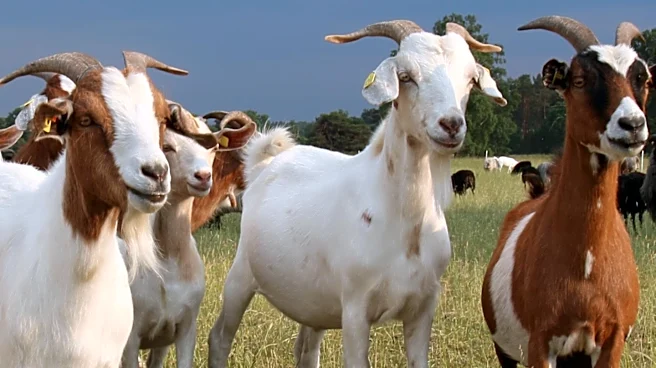
Researchers have discovered DNA of the sheeppox virus in ancient and medieval parchments, tracing its evolution back at least 3,700 years. This pathogen, a relative of the human smallpox virus, caused widespread devastation in sheep herds throughout history.
The study, led by Louis L'Hôte of the Molecular Population Genetics Lab at University College Dublin, analyzed samples from historical documents like the York Gospels and Bronze Age sheep teeth. Sheeppox, also known as Capripoxvirus sheeppox, is one of three Capripoxvirus variants, alongside goatpox and lumpy skin disease virus. Historical records from the first century C.E. in Rome and medieval documents describe severe declines in agricultural production during outbreaks. The virus causes symptoms including fever, loss of appetite, eye discharge, and lesions, leading to significant economic losses and high mortality rates in unexposed herds. An outbreak in Greece this year has already claimed nearly 500,000 animals, threatening its cheese industry.
Why It's Important?
The discovery of ancient sheeppox virus DNA highlights the long-standing threat of livestock diseases to agricultural economies and food security. Understanding the historical prevalence and impact of such pathogens provides crucial context for modern disease management and prevention strategies. The economic consequences of sheeppox, as evidenced by historical agricultural declines and recent outbreaks, underscore the vulnerability of the livestock industry to infectious diseases. This research also demonstrates the potential of ancient biological materials, like parchment, to serve as a historical archive for studying pathogen evolution. For the U.S., where livestock farming is a significant industry, insights into the historical patterns and virulence of diseases like sheeppox can inform biosecurity measures and vaccine development, protecting both animal welfare and economic stability. The close relation of sheeppox to human smallpox also emphasizes the broader public health implications of animal diseases.
What's Next?
The ongoing threat of sheeppox, as demonstrated by the recent outbreak in Greece, suggests a continued need for vigilance and effective disease control measures. While vaccines for sheeppox exist, their accessibility and widespread application remain critical for preventing future large-scale outbreaks. Further research into the genetic evolution of the virus, as facilitated by studies of ancient DNA, could lead to a better understanding of its transmission dynamics and potential for mutation. This knowledge can inform the development of more robust diagnostic tools and more effective vaccines. Additionally, the study's findings may encourage a broader examination of historical artifacts for other ancient pathogens, potentially revealing more about the co-evolution of diseases with human and animal populations and providing valuable data for anticipating and mitigating future disease threats.
Beyond the Headlines
This research delves into the profound historical impact of animal diseases, revealing how pathogens like sheeppox shaped human societies and economies for millennia. The fact that medieval populations often attributed livestock illnesses to witchcraft underscores a historical lack of scientific understanding regarding disease transmission, a stark contrast to modern epidemiological approaches. The use of animal skins for parchment, inadvertently preserving viral DNA, offers a unique interdisciplinary bridge between history, archaeology, and molecular biology. This method could be applied to other historical materials to uncover the genetic history of various diseases, offering a deeper understanding of past epidemics and their long-term consequences. The study also subtly highlights the interconnectedness of human and animal health, as diseases like sheeppox and smallpox share common viral lineages, emphasizing the 'One Health' concept in public health.