




What's Happening?
Japan, located on the Pacific Ring of Fire, experiences frequent earthquakes and volcanic activity due to its position on several tectonic plates. In April 2026, a 7.7-magnitude earthquake struck off the Sanriku coast, prompting tsunami warnings. In response,
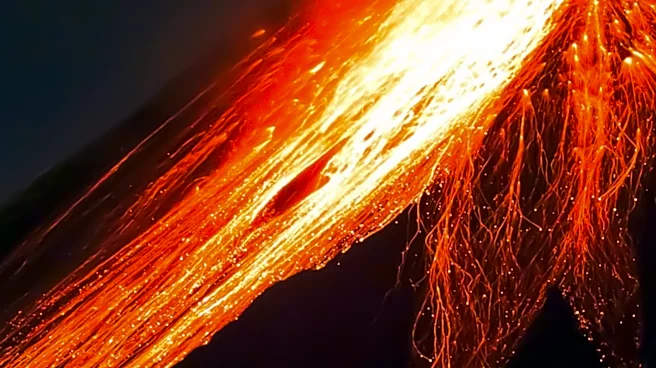
Japan is investing $134 billion in infrastructure upgrades and resilience from 2026 to 2030. A new centralized Disaster Management Agency will be launched in November 2026 to streamline response efforts. The Japan Meteorological Agency provides real-time alerts on earthquakes, tsunamis, and volcanic activity. Local authorities have prepared hazard maps for areas near active volcanoes like Mount Fuji.
Why It's Important?
Japan's proactive approach to disaster preparedness is crucial given its high exposure to seismic risks. The investment in infrastructure and the establishment of a centralized agency aim to enhance the country's resilience and reduce the impact of future disasters. This initiative not only protects lives but also safeguards the economy by minimizing disruptions. The use of technology, such as AI and digital tools, improves hazard identification and response coordination. Japan's efforts serve as a model for other countries facing similar risks, emphasizing the importance of preparedness and adaptation in mitigating natural disasters.