







What's Happening?
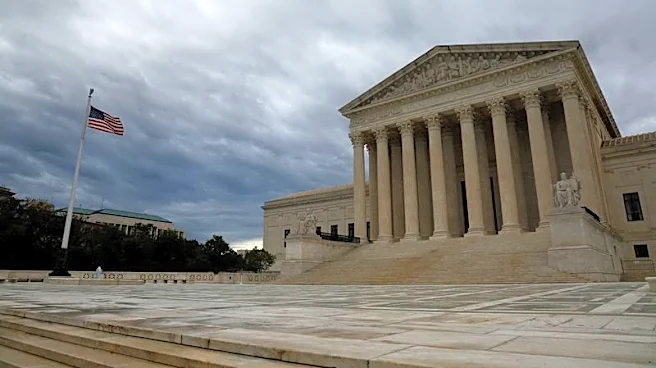
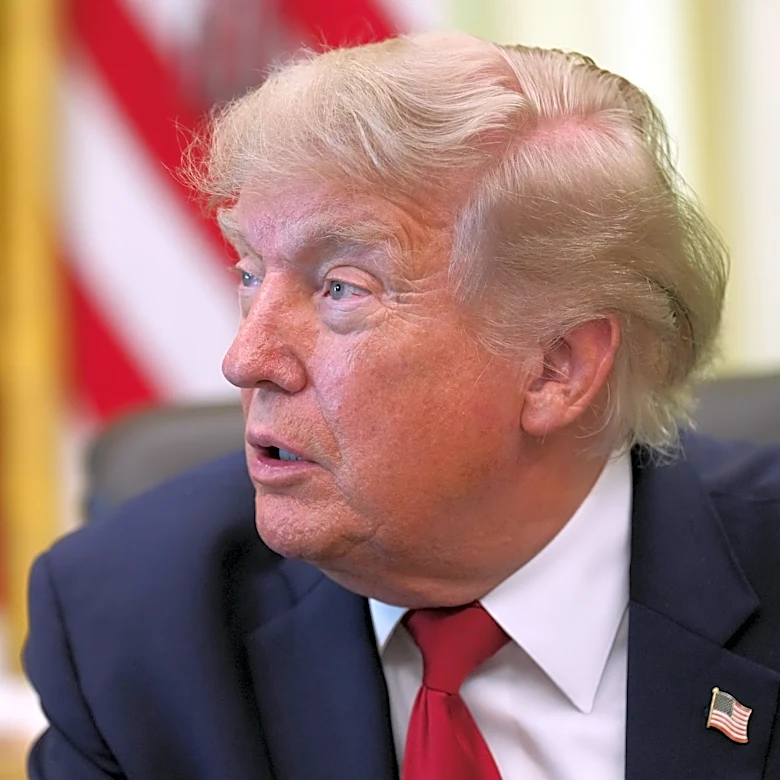
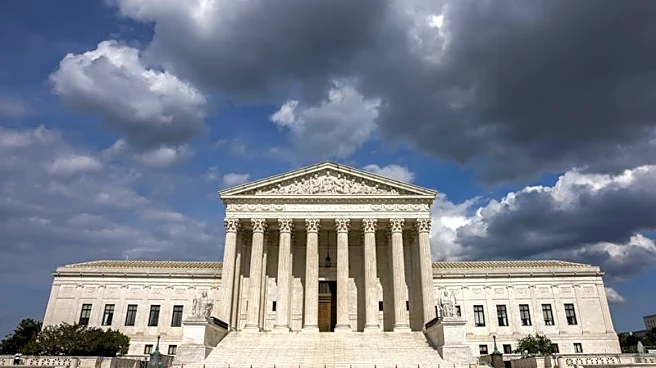
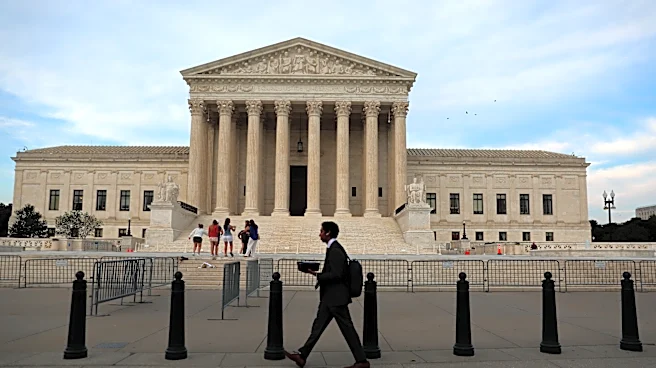
The United States Supreme Court issued a series of rulings affecting President Trump, with three decisions against him and one in his favor. The court upheld a Mississippi law allowing mail-in ballots postmarked by Election Day to be counted if received
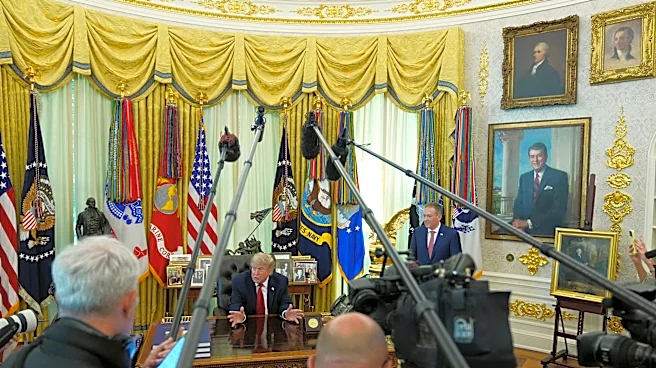
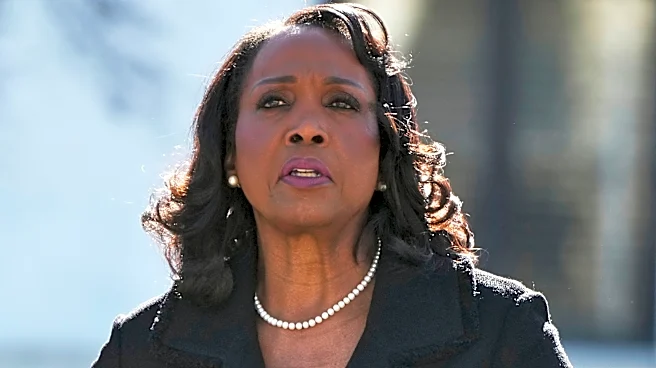
within five days, rejecting a Republican challenge. This decision was seen as a setback for Trump, who has criticized mail-in voting. Additionally, the court blocked Trump's attempt to fire Federal Reserve Governor Lisa Cook, preserving the Fed's independence. However, the court expanded Trump's executive powers by allowing him to fire members of independent agencies without cause, overturning a precedent protecting such officials. Lastly, the court refused to overturn a jury's decision that Trump sexually abused and defamed E Jean Carroll, requiring him to pay $5 million.
Why It's Important?
These rulings have significant implications for U.S. governance and electoral processes. The decision to uphold mail-in voting rules supports broader voter participation, which could influence future elections, particularly as Democrats often utilize mail-in ballots more than Republicans. The expansion of presidential powers to dismiss independent agency members could lead to increased political influence over regulatory bodies, potentially affecting their impartiality. The preservation of the Federal Reserve's independence is crucial for maintaining economic stability, as it prevents political interference in monetary policy. The court's refusal to overturn the sexual abuse judgment against Trump underscores the judiciary's role in holding public figures accountable, impacting Trump's legal and political standing.
What's Next?
The Supreme Court is set to conclude its term with decisions on other significant issues, including a challenge to Trump's executive order on birthright citizenship and state bans on transgender girls in sports. These upcoming rulings could further shape U.S. legal and social landscapes. Meanwhile, the implications of the current decisions will unfold as political and legal stakeholders respond. Trump's administration may seek legislative changes to counteract the court's decisions, particularly regarding voting laws. The rulings could also influence the upcoming midterm elections, where Democrats aim to gain control of Congress and potentially challenge Trump's agenda.