



What's Happening?
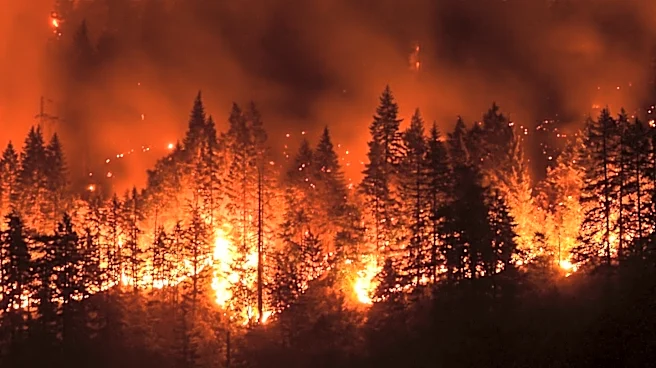
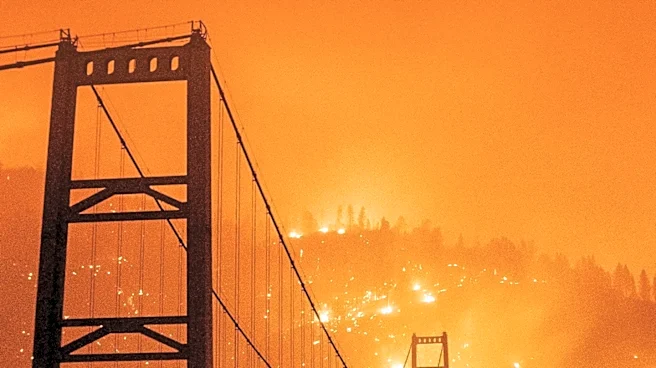
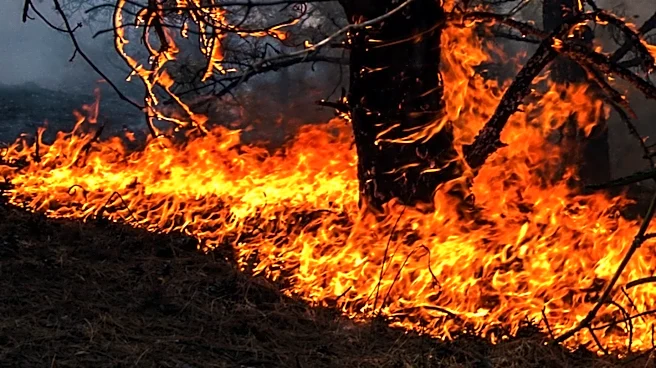
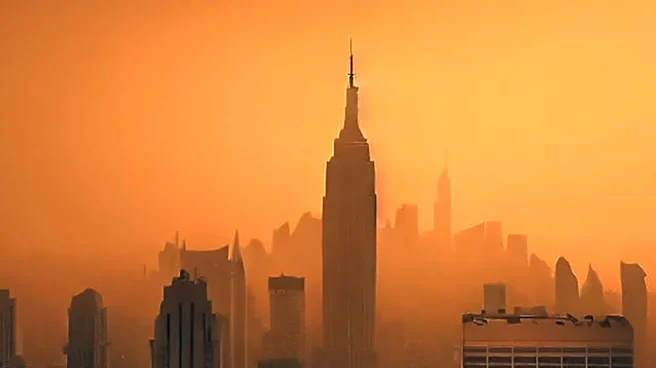
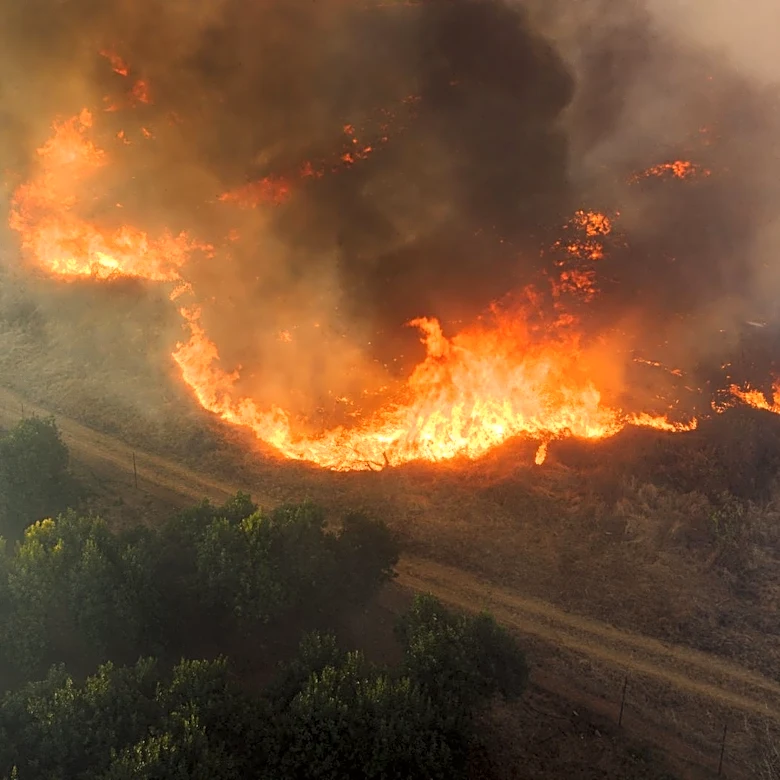
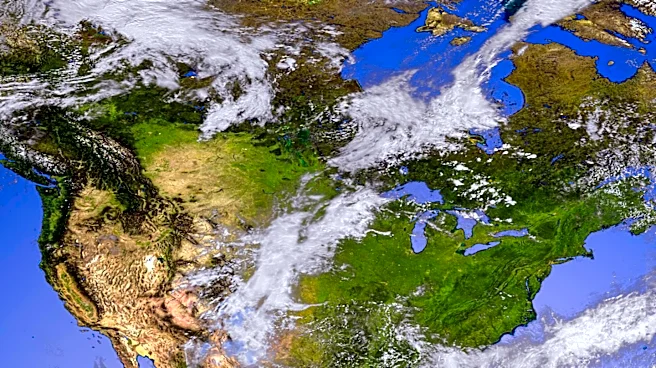
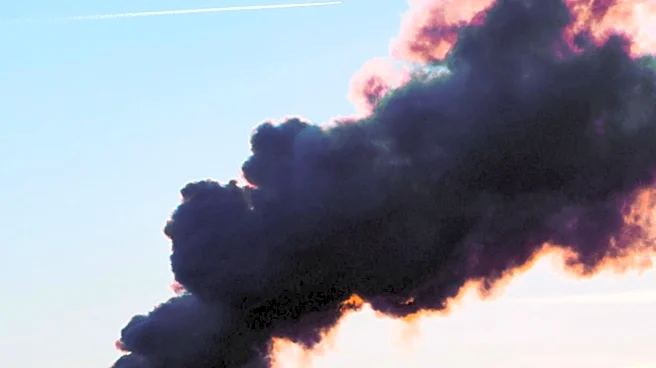
In July 2026, wildfires in Canada intensified, leading to significant smoke plumes affecting air quality across North America. According to NASA, the fires, particularly in Ontario and northern Minnesota, resulted in smoke drifting southeast, impacting
areas from southern Ontario to the Upper Midwest and Northeast of the United States. The smoke, rich in brown carbon, a component of PM 2.5 emissions, posed health risks by aggravating cardiovascular and respiratory conditions. The Goddard Earth Observing System (GEOS) model, which integrates data from satellites, aircraft, and ground-based systems, was used to track the smoke's movement. By mid-July, cities like Detroit, Toronto, Chicago, New York City, and Washington, D.C., experienced air quality levels ranging from unhealthy to hazardous. The situation began to improve in some eastern regions by July 19 and 20, as storms helped clear the smoke, although new fires in the Pacific Northwest started to degrade air quality there.
Why It's Important?
The widespread impact of the Canadian wildfires highlights the interconnected nature of environmental issues across borders. The smoke's effect on air quality in major U.S. cities underscores the health risks associated with wildfire emissions, particularly for vulnerable populations with pre-existing health conditions. The situation also emphasizes the importance of cross-border cooperation in addressing environmental challenges and the need for robust monitoring systems like NASA's GEOS model to predict and mitigate the effects of such natural disasters. The economic implications are significant, as poor air quality can lead to increased healthcare costs and affect workforce productivity. Additionally, the event serves as a reminder of the broader impacts of climate change, which is expected to increase the frequency and intensity of wildfires.
What's Next?
As the immediate smoke impact begins to clear in some areas, attention will likely turn to long-term strategies for managing wildfire risks and improving air quality monitoring and response systems. Governments and environmental agencies may need to enhance collaboration on fire management practices and invest in technologies that can better predict and mitigate the effects of wildfires. Public health advisories and community preparedness plans will be crucial in minimizing health impacts during future events. Additionally, ongoing research into the effects of brown carbon and other wildfire emissions will be important for developing more effective air quality standards and health guidelines.
Beyond the Headlines
The distinction between brown and black carbon emissions, as highlighted by NASA's updated GEOS model, offers deeper insights into the sources and impacts of air pollution. This differentiation is crucial for accurately assessing the contributions of natural versus anthropogenic sources to air quality issues. The ability to track and model these emissions more precisely can inform policy decisions and lead to more targeted interventions. Furthermore, the event raises ethical considerations about the responsibility of nations to manage environmental impacts that cross borders and affect neighboring countries.