






What's Happening?
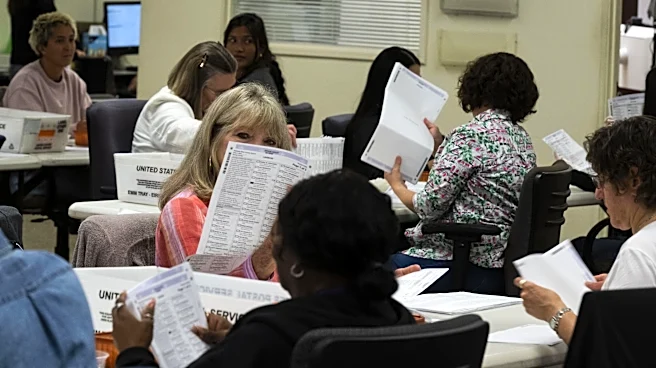
Texas is conducting its first statewide risk-limiting audit on the results of the November 3 U.S. Senate election. This audit process involves comparing randomly selected paper ballots with electronically counted results to verify the accuracy of the election outcomes.
Texas Secretary of State Robert Howden stated that this initiative adds an important layer of accountability and transparency to the state's election process. The implementation of these statewide audits stems from legislation passed in 2021, with smaller-scale audits having been conducted in previous years to prepare for full implementation. In addition to the statewide audit, counties utilizing electronic voting equipment are required to perform separate partial hand counts of ballots to further verify voting machine accuracy. These hand counts will focus on the U.S. Senate race, the Chief Justice of the Texas Supreme Court race, and one locally selected race.
Why It's Important?
The initiation of Texas's first statewide risk-limiting audit marks a significant step in enhancing election integrity and public confidence in the state's voting system. By directly comparing paper ballots with electronic tallies, the audit aims to detect and correct any discrepancies, ensuring that election results accurately reflect voter intent. This process is crucial for maintaining trust in democratic institutions, especially in an era where election security is a prominent national concern. The dual approach of statewide risk-limiting audits and county-level hand counts provides multiple layers of verification, reinforcing the robustness of Texas's election administration. For voters, this increased transparency can alleviate concerns about potential errors or malfeasance, fostering greater participation and belief in the electoral process.
What's Next?
Texas Secretary of State Robert Howden will publicly generate a random number to determine which ballots will be used for the election results confirmation. This number selection event is scheduled to be broadcast live on Wednesday at 2:30 p.m. Following the selection, election officials will proceed with the detailed comparison of the selected paper ballots against the electronically tabulated results. The findings from this audit will be crucial in validating the official results of the U.S. Senate election. The process is expected to provide a comprehensive review, and any identified discrepancies will be addressed according to established election protocols, further solidifying the integrity of the election outcomes in Texas.
Beyond the Headlines
The implementation of statewide risk-limiting audits in Texas could set a precedent for other states seeking to enhance their election security measures. This move reflects a broader national trend towards more verifiable and transparent election processes, driven by both technological advancements and public demand for accountability. The success and efficiency of Texas's audit could influence future legislative efforts regarding election administration across the country. Furthermore, by proactively addressing potential concerns about election accuracy, Texas is contributing to a stronger democratic framework, which can have long-term positive effects on civic engagement and political stability. This commitment to rigorous post-election verification underscores the evolving standards for electoral integrity in the United States.