







What's Happening?
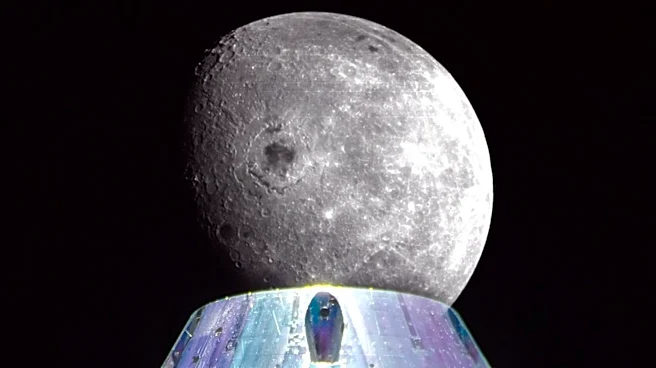
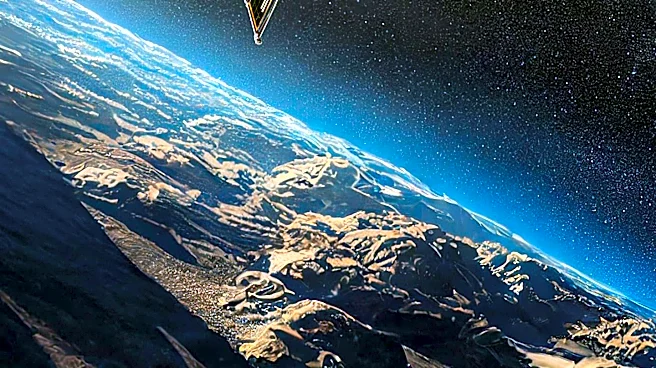
In April 2026, the Artemis II crew became the first astronauts in over fifty years to see the entire Earth from space during their mission around the Moon. This experience, often referred to as the 'overview effect,' was described by the crew as profoundly
transformative. The term, coined by philosopher Frank White in 1987, encapsulates the shift in perspective astronauts experience when viewing Earth as a single, borderless entity. The crew's reactions echoed those of past astronauts, highlighting a sense of unity and the insignificance of earthly conflicts. This phenomenon was first noted by Edgar Mitchell during the Apollo 14 mission in 1971.
Why It's Important?
The overview effect has significant implications for how astronauts perceive Earth and their place within it. This shift in perspective can lead to a greater appreciation for environmental and global issues, as astronauts often return with a heightened sense of Earth's fragility and interconnectedness. The effect has been linked to changes in behavior and priorities, with many astronauts becoming advocates for environmental and social causes. As space travel becomes more common, understanding this psychological shift could influence future space missions and the broader societal impact of space exploration.
What's Next?
As space travel continues to evolve, the overview effect may become a more common experience, potentially influencing a larger number of people. With the expansion of commercial spaceflight, more individuals may experience this shift in perspective, which could lead to broader societal changes in how we view and address global challenges. Future research may focus on the long-term psychological effects of the overview effect and how it can be harnessed to promote positive change on Earth.
Beyond the Headlines
The overview effect raises questions about the psychological impact of space travel and its potential to foster a more unified global perspective. It challenges traditional notions of national identity and borders, suggesting a more holistic view of humanity's place in the universe. This effect could play a role in shaping future policies and initiatives aimed at addressing global issues such as climate change and international cooperation.