

What's Happening?
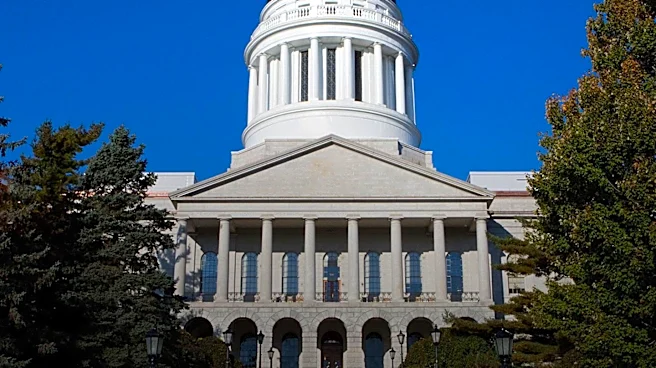
Maine is slated to receive over $36 million in federal funding to assist low-income households and seniors with escalating heating costs. This allocation, announced by U.S. Senator Susan Collins' office, marks one of the earliest releases in the history
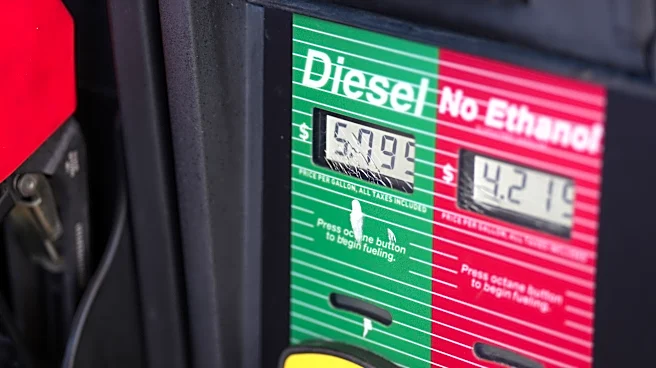
of the Low-Income Home Energy Assistance Program (LIHEAP). Specifically, the U.S. Department of Health and Human Services' Office of Community Services will disburse $36,675,395 to the State of Maine and an additional $1,408,729 for the Wabanaki Nations. This early release is a direct response to a bipartisan request from lawmakers, including Senator Collins and independent U.S. Senator Angus King, to the Department of Health and Human Services (HHS). The move aims to mitigate the impact of significantly increased fuel prices, with heating oil averaging $5.97 per gallon on October 5, a 79% increase from the previous year, though slightly down from a record high of $6.02 on September 21. Roughly half of Maine households rely on heating oil as their primary heat source.
Why It's Important?
The early release of LIHEAP funds is crucial for Maine, where a substantial portion of the population, particularly low-income households and seniors, faces the burden of soaring energy prices. The 79% increase in heating oil costs compared to last year, attributed partly to global supply restrictions stemming from conflicts in Iran and Ukraine, poses a significant financial challenge as winter approaches. This federal intervention aims to prevent a scenario where residents must choose between heating their homes and covering other essential necessities. The proactive measure highlights the federal government's recognition of the immediate economic strain on vulnerable populations due to energy market volatility. It also underscores the effectiveness of bipartisan efforts in Congress to secure timely financial relief for constituents facing economic hardship, demonstrating how legislative advocacy can directly impact household budgets and well-being.
What's Next?
With the early release of LIHEAP funds, Maine households and the Wabanaki Nations can expect to access this financial assistance sooner than in previous years. This will likely provide immediate relief to those struggling with heating costs as temperatures continue to drop. The focus will now shift to the efficient distribution of these funds to ensure they reach eligible recipients promptly. The ongoing debate over energy costs, particularly in the context of the U.S. Senate race, suggests that energy policy and consumer relief will remain prominent issues. Political leaders, including Senator Collins, will likely continue to monitor fuel prices and advocate for further measures if the situation deteriorates. The early release sets a precedent for potentially more responsive federal action in future energy crises, indicating a heightened awareness of the need for timely support.
Beyond the Headlines
This early federal funding release for heating assistance in Maine points to broader implications regarding energy independence and the vulnerability of U.S. households to global geopolitical events. The attribution of rising fuel prices to conflicts in Iran and Ukraine underscores the interconnectedness of international affairs and domestic economic stability. It highlights the ongoing challenge for policymakers to balance foreign policy objectives with the direct impact on American consumers. Furthermore, the reliance of half of Maine households on heating oil, despite a decrease from 70% in 2010, indicates a persistent need for diversified energy sources and infrastructure improvements to enhance energy security. The situation also brings to light the ethical considerations of ensuring basic necessities like heat are accessible to all, especially the most vulnerable, during periods of economic stress and global instability.