





What's Happening?
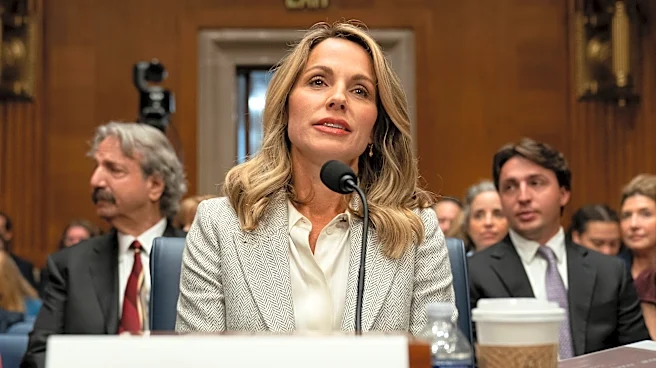
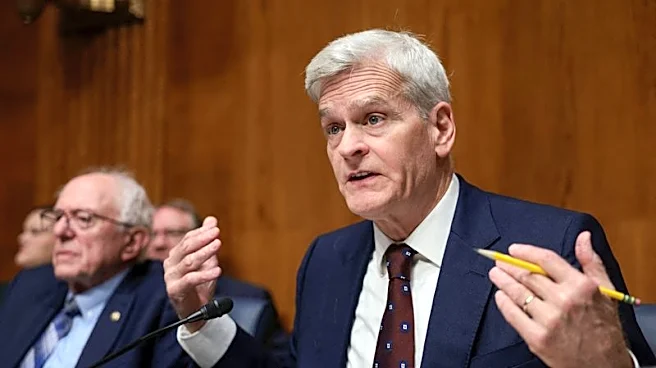
U.S. Senator Kirsten Gillibrand (D-NY), alongside Senator Rick Scott (R-FL), ranking member and chairman of the U.S. Senate Special Committee on Aging, recently convened the first-ever congressional hearing dedicated to menopause. Expert witnesses at the hearing underscored
the critical need for advancements in menopause research, training, and care. Senator Gillibrand highlighted that menopause affects over half of the U.S. population, yet it remains one of the most under-researched, undertreated, and underdiagnosed medical fields. Less than 1% of federal women's health research funding is allocated to menopause, and a significant majority of OB-GYN residents report feeling unprepared to discuss the topic. In a bipartisan effort, Senators Gillibrand and Scott have also requested the Government Accountability Office (GAO) to investigate the federal government's coordination and funding for menopause research and care.
Why It's Important?
The lack of adequate attention to menopause has substantial implications for public health and the U.S. economy. Women in midlife constitute approximately one-third of the U.S. population, and the current deficiencies in menopause care mean that many women seeking medical help for symptoms are left untreated. This oversight not only impacts individual well-being but also carries significant economic costs. A Mayo Clinic study revealed that menopause costs the U.S. economy an estimated $26.6 billion annually, with $1.8 billion attributed to lost work time alone. Furthermore, one in ten women reportedly leave the workforce due to menopause-related issues, resulting in a loss of valuable experience and knowledge from the labor market. This congressional hearing marks a crucial step towards addressing a long-neglected area of women's health, potentially leading to improved health outcomes and economic stability.
What's Next?
Following the hearing, the bipartisan request to the Government Accountability Office (GAO) for a report on federal coordination and funding for menopause research and care is a key next step. This report is expected to provide a clearer understanding of existing gaps in menopause-related research, education, and treatment, and will inform potential federal actions to address these deficiencies. Senator Gillibrand has expressed her commitment to working across the aisle to improve research, training, and care for women experiencing menopause. The findings from the GAO report could pave the way for new legislative initiatives, increased funding allocations, and policy changes aimed at enhancing menopause care and support for women across the nation.
Beyond the Headlines
The inaugural congressional hearing on menopause transcends immediate policy changes, signaling a broader shift in how women's health issues are recognized and prioritized at the federal level. For decades, menopause has been largely overlooked in medical research and public discourse, often dismissed as a natural, albeit uncomfortable, part of aging. This hearing challenges that perception, elevating menopause to a significant public health concern with far-reaching societal and economic consequences. It highlights the ethical imperative to provide comprehensive care for a demographic that constitutes a substantial portion of the population and contributes significantly to the workforce. The focus on improving research and training could lead to a more holistic understanding of women's health throughout their lifespan, fostering a healthcare system that is more responsive and equitable.