





What's Happening?
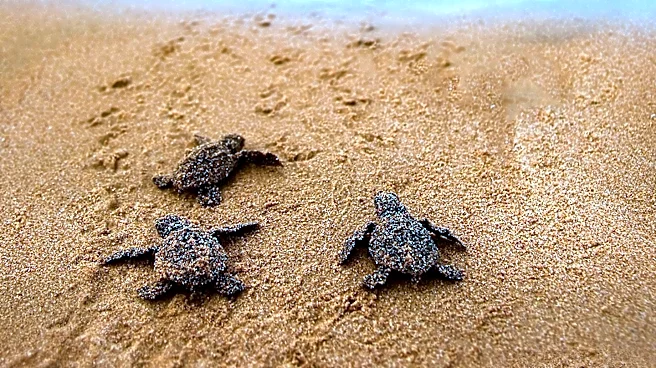
The Institute for Marine Mammal Studies (IMMS) in Gulfport, Mississippi, is actively tracking sea turtles to understand why they are frequently getting hooked at piers. Dr. Forrest Collins of IMMS stated that turtles are drawn to piers primarily because
they offer an easy food source. The organization is utilizing both satellite and acoustic tags to monitor the turtles' behavior, aiming to determine which piers they frequent and what specifically lures them to these areas. Collins noted that approximately 98% of the hooked turtles received by IMMS are from piers, indicating a learned behavior among the turtles. Fishermen who accidentally hook a turtle are advised to contact IMMS and remain with the animal until assistance arrives, without attempting to move it to prevent further injury.
Why It's Important?
This initiative by IMMS is crucial for marine conservation and the protection of sea turtle populations in the Gulfport region. The high incidence of pier hookings poses a significant threat to these protected species, leading to injuries and potential fatalities. By understanding the behavioral patterns that lead turtles to piers, IMMS can develop targeted strategies to mitigate these incidents, such as public awareness campaigns for fishermen or modifications to pier environments. This research also contributes valuable data to the broader scientific understanding of sea turtle ecology and their interactions with human infrastructure. The success of this program could lead to a reduction in turtle injuries, fostering healthier marine ecosystems and promoting responsible recreational fishing practices.
What's Next?
IMMS will continue its tracking efforts, analyzing the data collected from both satellite and acoustic tags to gain a comprehensive understanding of sea turtle movements and feeding habits around piers. This information will be used to formulate preventative measures and educational programs for the public and fishing communities. Potential next steps include collaborating with local authorities and pier operators to implement changes that deter turtles from high-risk areas, or developing best practices for fishermen to avoid hooking turtles and to handle them safely if an incident occurs. The organization will also continue to respond to calls from fishermen regarding hooked turtles, providing immediate rescue and rehabilitation services.
Beyond the Headlines
The issue of sea turtle hookings at piers highlights the complex challenges of human-wildlife coexistence in coastal environments. As human development and recreational activities expand, so does the potential for negative interactions with marine life. This situation underscores the ethical responsibility of communities to protect vulnerable species and the importance of scientific research in informing conservation efforts. It also brings to light the need for public education to foster a sense of stewardship towards the environment. The learned behavior of turtles seeking food at piers is a testament to their adaptability, but also a warning about the unintended consequences of human presence on natural ecosystems.