







What's Happening?
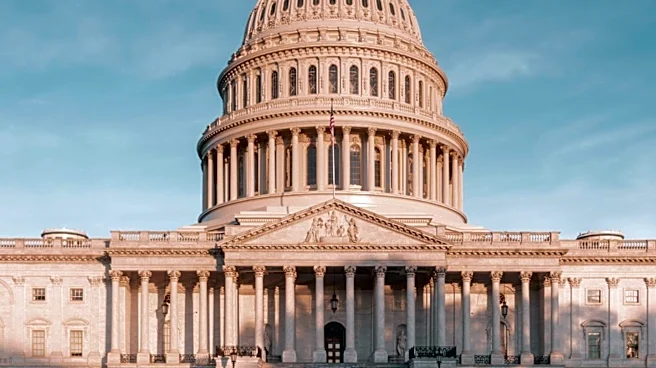
Special Counsel Jack Smith's investigative team has come under scrutiny for obtaining and reviewing text messages from 44 Members of Congress as part of a criminal investigation into President Trump. The investigation, conducted by the Biden Department
of Justice, allegedly bypassed a required Filter Team review process, which is designed to protect privileged communications. This action has raised concerns about potential violations of constitutional protections, such as the Speech or Debate Clause, which shields legislative communications from criminal prosecution. The records, released by Senate Judiciary Committee Chairman Chuck Grassley and Senate Permanent Subcommittee on Investigations Chairman Ron Johnson, suggest that the investigative team accessed texts from both Republican and Democrat lawmakers without adhering to established protocols.
Why It's Important?
The actions of Special Counsel Jack Smith's team have significant implications for the balance of power between the executive branch and Congress. By bypassing the Filter Team, the investigation may have infringed on constitutional protections, raising concerns about the potential for executive overreach. This situation highlights the ongoing tension between the need for thorough investigations and the protection of legislative independence. The controversy also underscores the importance of maintaining checks and balances within the U.S. government, as well as the potential for political motivations to influence legal proceedings. The outcome of this situation could impact future investigations and the relationship between the executive branch and Congress.
What's Next?
Senate Judiciary Committee Chairman Chuck Grassley has indicated plans to hold Special Counsel Jack Smith accountable by bringing him before the committee in the coming months. This hearing could provide further insights into the investigative process and address concerns about potential constitutional violations. Additionally, the situation may prompt discussions about the need for clearer guidelines and oversight mechanisms to prevent similar issues in future investigations. The response from Congress and the Department of Justice will be closely watched, as it could set precedents for how legislative communications are handled in criminal investigations.