
What's Happening?
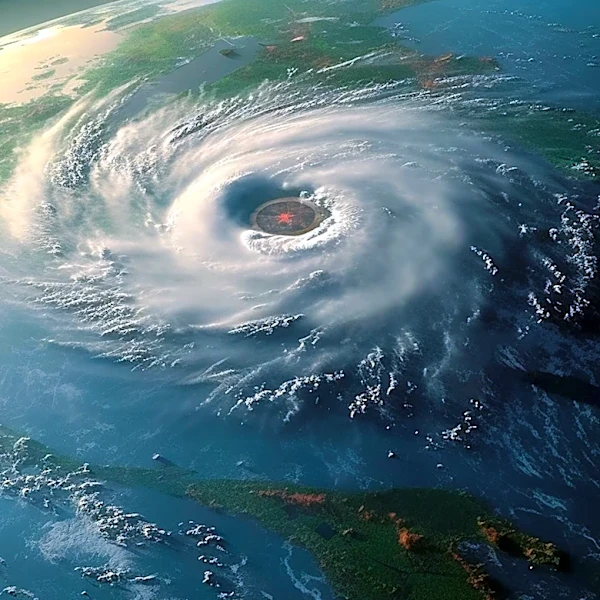
El Niño, a natural climate pattern characterized by the periodic warming of the Pacific Ocean, is expected to intensify in the coming months, potentially extending into early 2027. This phenomenon significantly impacts weather patterns globally, with
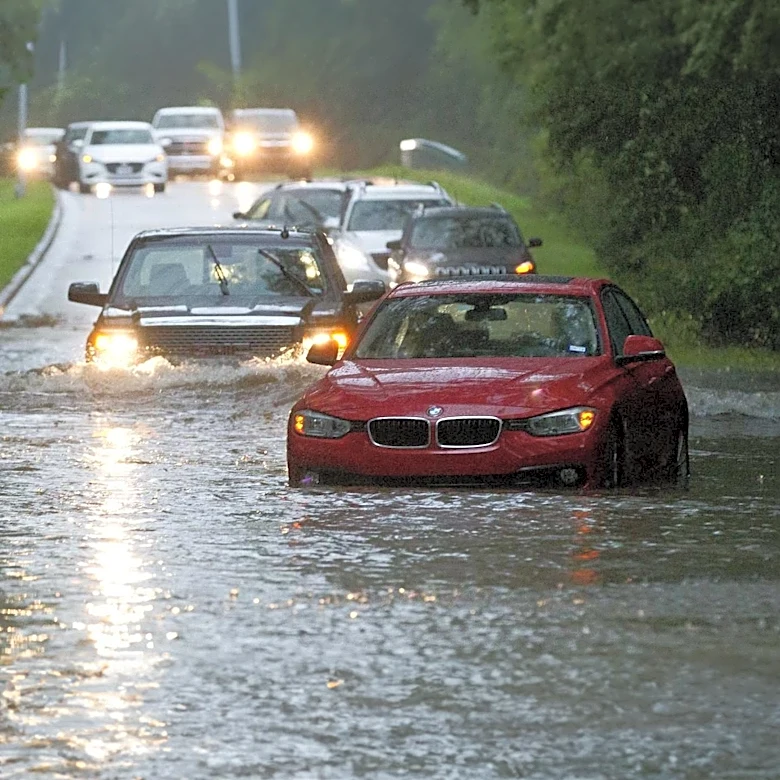
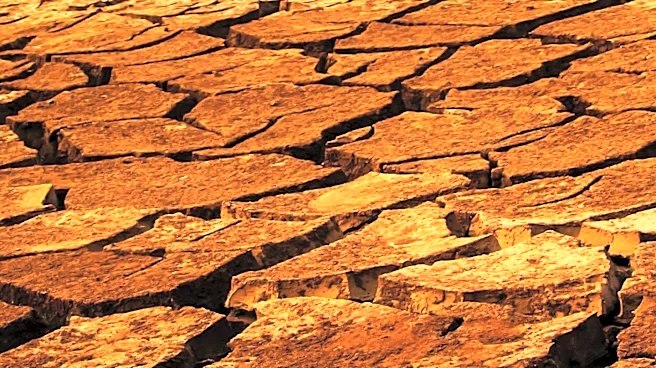
eastern Africa experiencing excessive rainfall leading to floods, while southern Africa faces drought conditions. These extreme weather events threaten the livelihoods of millions, as they disrupt agriculture, contaminate water supplies, and increase the prevalence of diseases like cholera and malaria. The United Nations and other humanitarian agencies are taking proactive measures by providing anticipatory funding and support to vulnerable communities, aiming to mitigate the adverse effects before they escalate into full-blown crises.
Why It's Important?
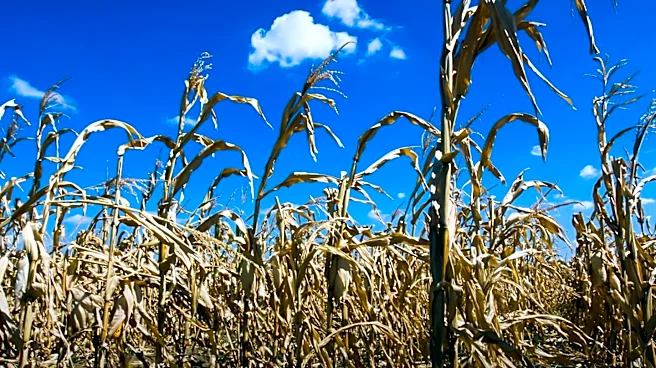
The intensification of El Niño has profound implications for the affected regions, particularly in terms of food security and public health. In southern Africa, drought conditions can lead to crop failures, exacerbating hunger and malnutrition. Conversely, in eastern Africa, excessive rainfall can cause infrastructure damage and displacement, further straining resources. The proactive approach by humanitarian agencies, such as early funding and the distribution of drought-resistant seeds, is crucial in building resilience among these communities. These efforts not only aim to prevent immediate crises but also to foster long-term sustainability and stability in regions that are already vulnerable due to socio-economic challenges.
What's Next?
As El Niño continues to develop, monitoring and forecasting will be critical in guiding humanitarian responses. Governments and international organizations are likely to enhance their early-warning systems and disaster preparedness strategies. The focus will be on strengthening infrastructure, improving water management, and supporting agricultural adaptation to withstand the anticipated climatic changes. Collaboration between local governments, international bodies, and non-governmental organizations will be essential in ensuring that aid reaches those most in need and that communities are equipped to handle future climate-related challenges.