

What's Happening?
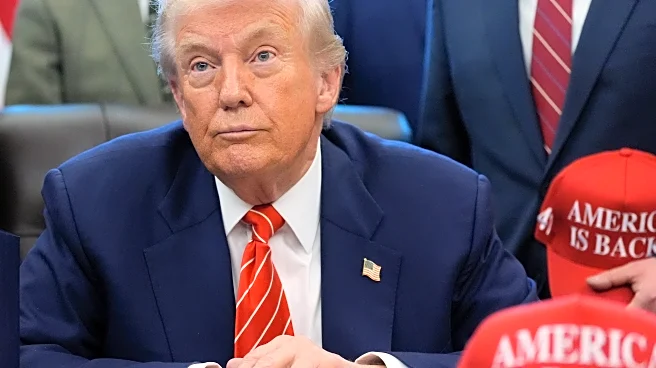
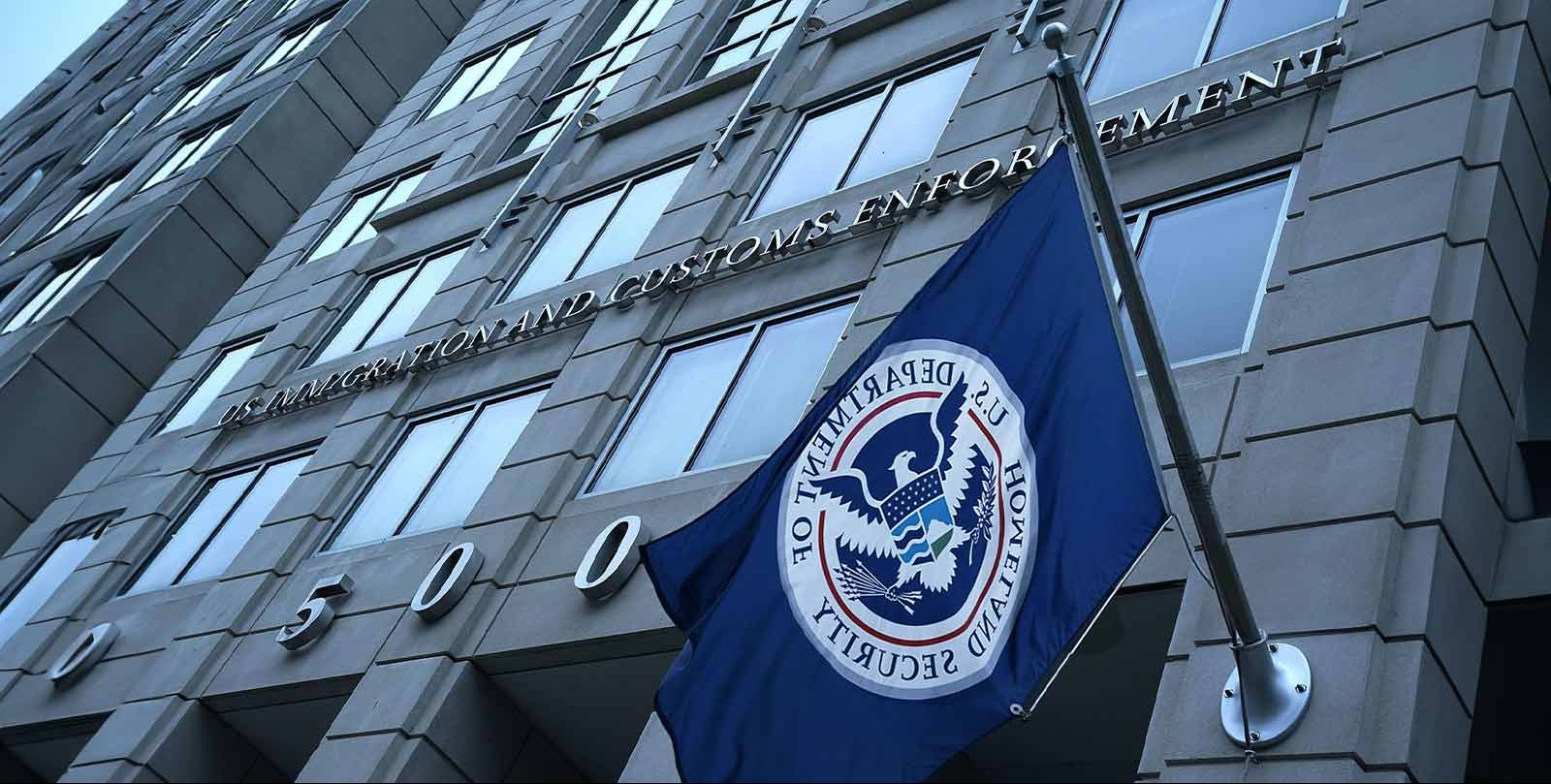
President Donald Trump has suspended the diversity visa lottery program, which allowed the suspect in the Brown University and MIT shootings to enter the United States. Homeland Security Secretary Kristi Noem announced the suspension, stating that the program would
be paused to prevent similar incidents. The suspect, Claudio Neves Valente, a Portuguese national, was involved in shootings at Brown University that resulted in two deaths and nine injuries, as well as the killing of an MIT professor. Valente, who entered the U.S. through the diversity visa program in 2017, was found dead from a self-inflicted gunshot wound. The diversity visa program, which offers up to 50,000 green cards annually to individuals from underrepresented countries, is now under scrutiny and may face legal challenges due to its congressional creation.
Why It's Important?
The suspension of the diversity visa lottery program highlights ongoing debates over U.S. immigration policies. President Trump's decision reflects his administration's broader efforts to restrict legal immigration pathways, which could impact millions of potential immigrants. The program's suspension may lead to legal challenges, as it was established by Congress. This move could also influence public opinion and policy discussions on immigration, particularly concerning the balance between national security and diversity in immigration. Stakeholders such as immigrant advocacy groups and legal experts may challenge the suspension, arguing for the program's benefits in promoting cultural diversity and international relations.
What's Next?
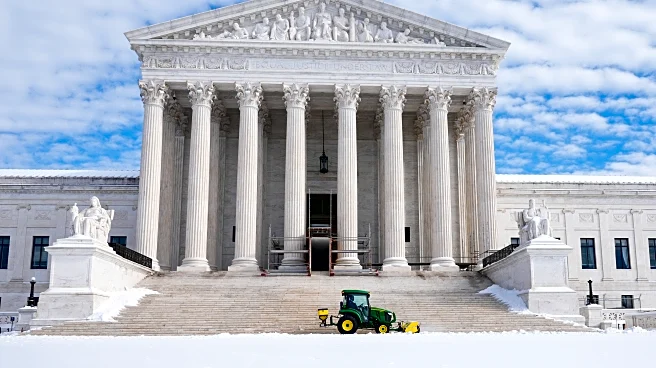
The suspension of the diversity visa lottery program is likely to face legal challenges, as it was established by Congress. Immigration advocacy groups may seek to overturn the suspension in court, arguing that it undermines the program's purpose of promoting diversity. Additionally, the Supreme Court's upcoming decision on birthright citizenship, another immigration-related issue, could further influence the legal landscape. The administration's actions may prompt legislative responses from Congress, potentially leading to debates on reforming or preserving the diversity visa program. Public and political reactions will likely shape the future of U.S. immigration policy.