








What's Happening?
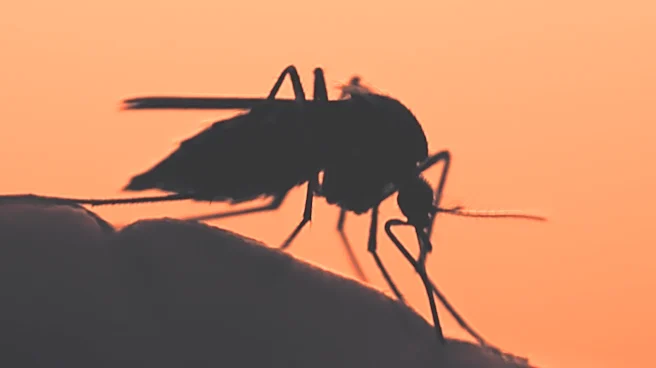
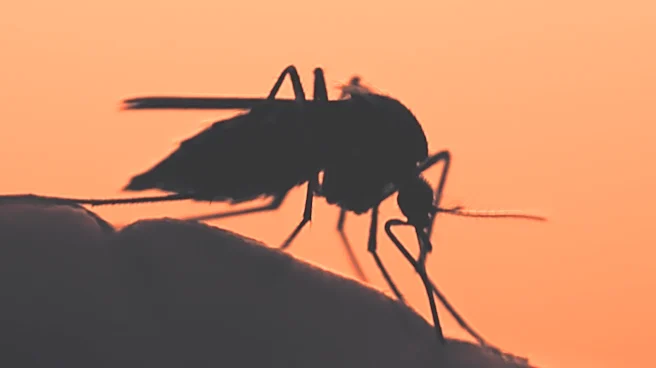
Southern California is experiencing a rise in mosquito populations, leading to increased concerns about mosquito-borne diseases such as West Nile virus. The West Nile virus is spreading at rates not seen in two decades, with more mosquitoes testing positive
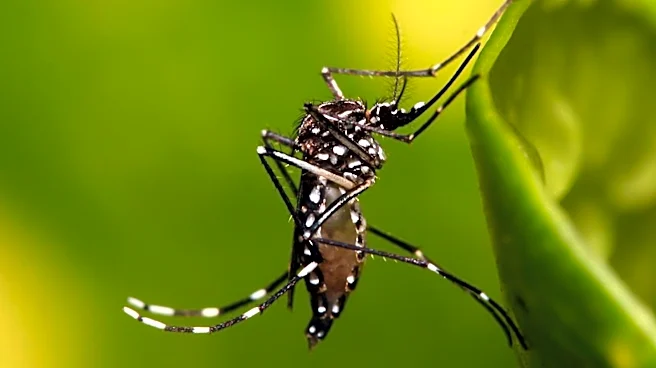
for the virus. Additionally, the invasive Aedes aegypti mosquito, capable of transmitting diseases like dengue fever, Zika, and yellow fever, is increasing in population. In response, vector control officials are releasing millions of modified mosquitoes to reduce overall populations and mitigate the spread of these diseases.
Why It's Important?
The rise in mosquito populations and the spread of mosquito-borne diseases pose significant public health risks, particularly in densely populated areas like Southern California. The increase in West Nile virus cases could lead to more severe health outcomes, especially for vulnerable populations. The presence of Aedes aegypti raises concerns about potential outbreaks of other diseases, necessitating proactive measures to control mosquito populations and protect public health.
What's Next?
Vector control efforts will continue to focus on reducing mosquito populations through strategies like the release of modified mosquitoes and the elimination of standing water. Public health officials will monitor the situation closely to prevent outbreaks and protect communities. Continued research and innovation in mosquito control methods will be essential to address the challenges posed by these invasive species.
Beyond the Headlines
The situation highlights the broader implications of climate change and urbanization on public health, as changing environmental conditions contribute to the spread of mosquito-borne diseases. It underscores the need for integrated approaches to vector control and public health preparedness.