


What's Happening?
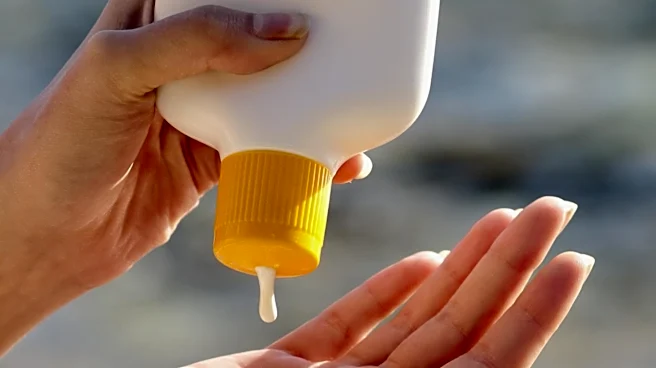
The Food and Drug Administration (FDA) has approved bemotrizinol, a new sunscreen ingredient, marking the first addition to the list of approved sunscreen filters in over 20 years. Bemotrizinol, which has been used in Europe and Asia for decades, is recognized
for its ability to protect against both UVA and UVB rays. The ingredient is considered Generally Recognized As Safe and Effective (GRASE) by the FDA and is suitable for use by adults and children over six months old. This approval is expected to enhance the effectiveness of U.S. sunscreens, which have traditionally been less effective against UVA rays compared to their international counterparts.
Why It's Important?
The approval of bemotrizinol is significant as it addresses a long-standing gap in the U.S. sunscreen market. U.S. sunscreens have been criticized for their limited protection against UVA rays, which are known to penetrate deeper into the skin and contribute to skin cancer and premature aging. By allowing bemotrizinol, the FDA is enabling the production of sunscreens that offer better broad-spectrum protection, aligning U.S. products more closely with those available in Europe and Asia. This move is expected to increase consumer confidence in sunscreen products and potentially reduce the incidence of skin cancer, the most commonly diagnosed cancer in the U.S.
What's Next?
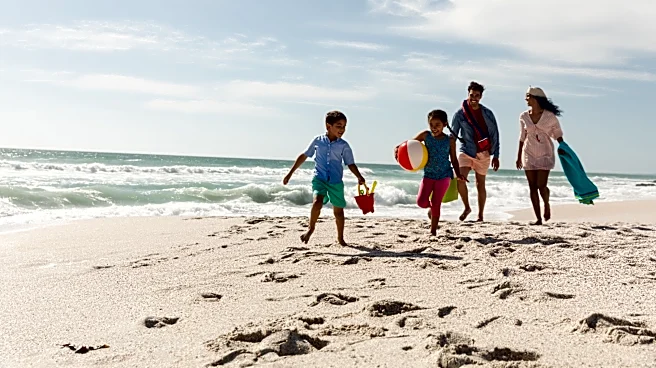
With the FDA's approval, bemotrizinol will soon be available in U.S. sunscreens, although consumers may have to wait up to 18 months for widespread availability due to exclusive marketing rights held by Parsol Shield. During this period, other manufacturers will prepare to incorporate the ingredient into their products, which involves meeting U.S. regulatory requirements for formulation and testing. This development is anticipated to lead to a broader range of sunscreen options that are more effective and user-friendly, potentially increasing sunscreen usage and improving public health outcomes.