





What's Happening?
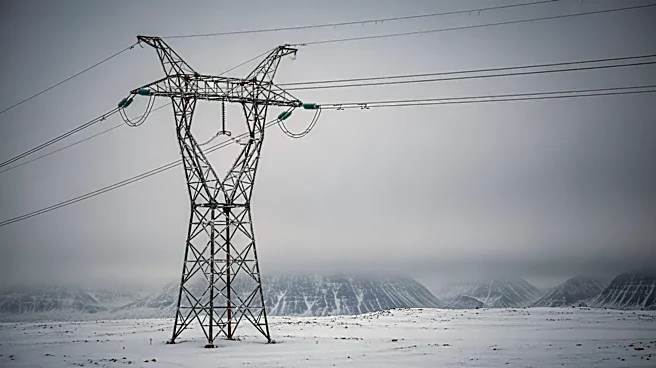
In Northern Norway, concerns over power infrastructure have escalated as Statnett, the operator of the Norwegian power system, announced a temporary halt to reservations for grid capacity for new large industrial projects north of Svartisen. This decision
comes amidst fears of power collapse and warnings of sabotage, particularly in the Norwegian Arctic region. The mining company Sydvaranger, located in the border town of Kirkenes, is among those directly affected by these developments. The situation is compounded by geopolitical tensions, with Russia's aggressive posture in the region and its continued export of liquefied natural gas. Norwegian politicians have convened to discuss total preparedness, but the effectiveness of these measures remains uncertain.
Why It's Important?
The halt in grid capacity reservations highlights the vulnerability of Northern Norway's infrastructure amidst geopolitical tensions. This move could have significant economic implications, particularly for industries reliant on stable power supply, such as mining. The situation underscores the strategic importance of the Arctic region, not only for Norway but also for broader European and U.S. security interests. The potential for sabotage and the ongoing geopolitical tensions with Russia could impact regional stability and economic activities, affecting stakeholders from local businesses to international allies. The developments also raise questions about the adequacy of current preparedness measures and the need for enhanced security and infrastructure resilience in the Arctic.
What's Next?
As Northern Norwegian politicians discuss total preparedness, the focus will likely be on strengthening infrastructure and security measures to mitigate the risks of sabotage and power collapse. The situation may prompt increased collaboration with international allies, particularly the United States, to bolster regional security. Additionally, industries affected by the halt in grid capacity reservations may seek alternative solutions or government support to address potential disruptions. The geopolitical dynamics in the Arctic will continue to be closely monitored, with potential implications for future policy decisions and international relations.